Buying in East Oakville often comes down to one big question: do you want the polish and predictability of a new-build, or the space and character of an established home? If you are weighing both, you are not alone. In L6H, buyers can find newer growth-area homes shaped by Oakville’s evolving planning framework, as well as older housing stock in nearby established neighbourhoods. This guide will help you compare the trade-offs clearly so you can make a decision that fits your lifestyle, budget, and long-term plans. Let’s dive in.
East Oakville offers both paths
East Oakville is not a one-style market. In and around L6H, you may be comparing newer homes in Oakville’s growth areas with established homes in older parts of town.
That mix exists because Oakville’s planning framework treats different parts of the area differently. The Livable Oakville Plan covers most of the town, while the North Oakville East and West Secondary Plans apply to growth-area lands north of Dundas Street between Ninth Line and Highway 407.
The North Oakville framework supports higher-density urban development, a grid street network, and a walkable, transit-oriented structure planned to accommodate about 55,000 people and 35,000 jobs. In practical terms, that means new-home product in this broader East Oakville area is still evolving rather than fully built out.
Oakville also continues to see active new-residential planning in the Joshua Creek and Dundas East area. Current applications, including Clockwork Phase 3 and a separate Joshua Creek zoning amendment, show that the local new-build pipeline is still active.
What a new-build usually offers
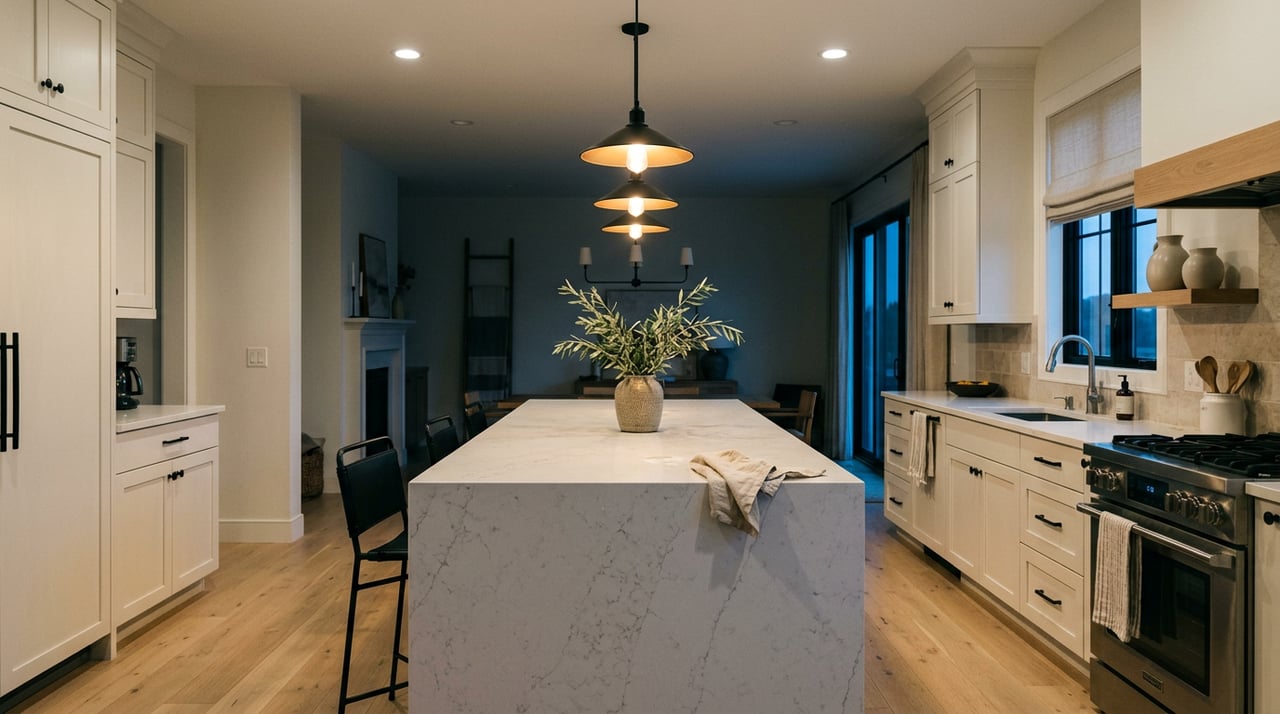
A new-build often appeals to buyers who want a home that feels move-in ready from day one. You may get a more contemporary layout, current finishes, and fewer immediate repair projects competing for your time and budget.
In Oakville’s growth areas, municipal design guidance emphasizes built form, exterior design, pedestrian-friendly streetscapes, transit, and land use. As a result, many newer homes are designed on more efficient and compact sites.
That usually means you may get a floor plan that uses interior space well, but less yard area than you might find in an older low-density neighbourhood. If your priority is convenience, lower short-term maintenance, and a modern streetscape, that trade-off may feel worthwhile.
New-build strengths to consider
- Turnkey condition at move-in
- Layouts designed for modern living
- Construction built to current code requirements
- Warranty protection through Tarion
- Potential for improved energy performance
- Less need for near-term system upgrades
What an established home usually offers
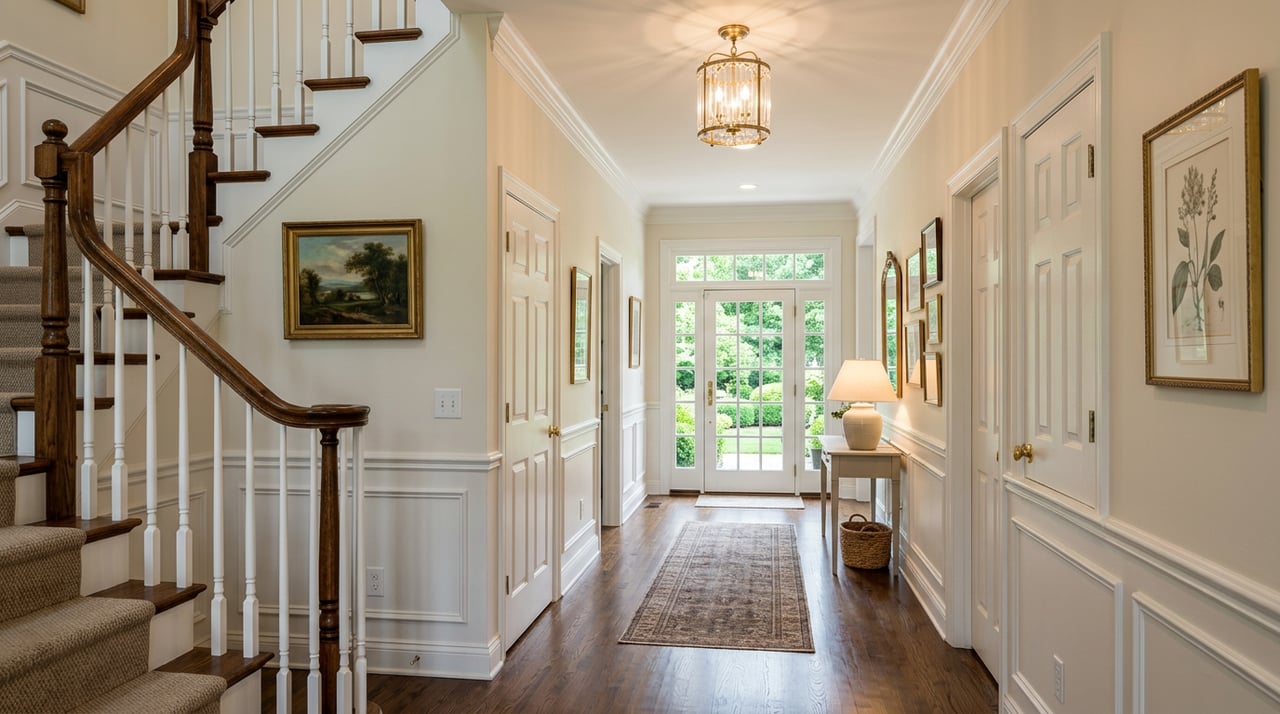
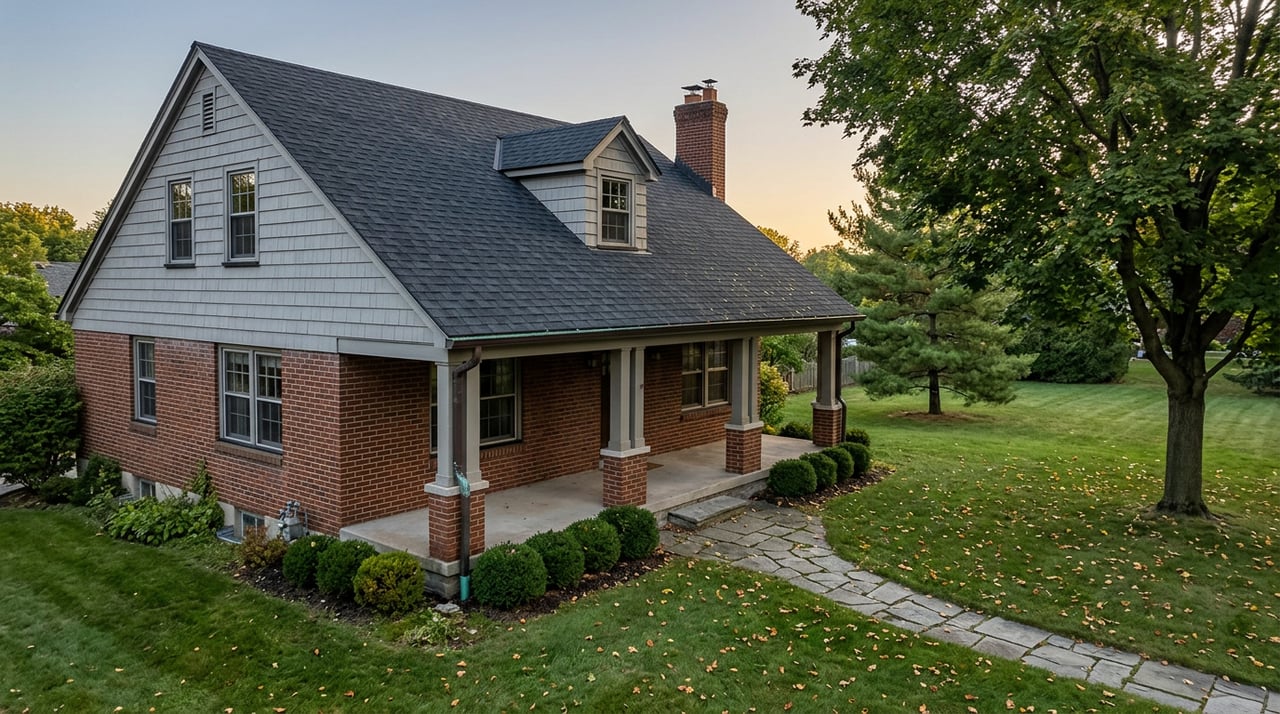
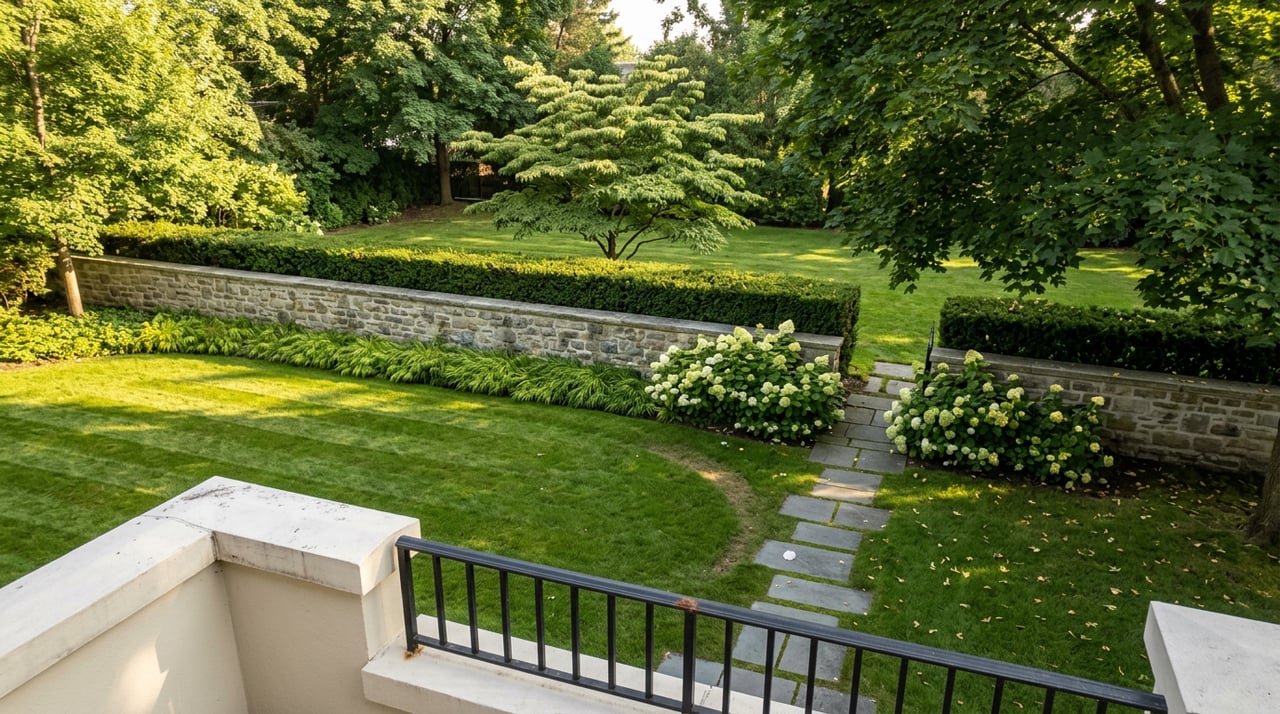
Established homes tend to win buyers over with land utility and a more settled setting. Depending on the street, you may find wider setbacks, mature landscaping, and more privacy than in newer communities.
Older homes are also more likely to show architectural variety. Instead of a more uniform streetscape, you may see homes with individual styles and more distinct exterior character.
For many buyers, the real appeal is flexibility. An established home may give you more outdoor space, renovation potential, and the chance to personalize the property over time.
Established-home strengths to consider
- More mature tree canopy and landscaping
- Often more usable yard space
- Potentially wider setbacks and more privacy
- Greater architectural variety
- Opportunity to renovate and add value over time
- Strong appeal for buyers who value lot configuration and character
Lot size versus layout efficiency
This is often the real decision point in East Oakville. Do you want more land and outdoor space, or do you want a more efficient interior layout with a newer overall feel?
Based on Oakville’s planning direction, new-build homes in growth areas are generally shaped by compact, context-sensitive development. That often leads to homes that make smart use of interior square footage, even if the lot itself feels tighter.
Established homes, by contrast, often offer more breathing room outside. If you care about privacy, mature landscaping, or future outdoor improvements, an older property may better suit your goals.
Neither option is automatically better. The right choice depends on whether you value land utility more than layout efficiency.
Construction, warranties, and peace of mind
One of the clearest advantages of a new-build in Ontario is warranty coverage. Tarion-backed new homes include financial protection before possession and protection against construction defects after possession, with coverage that can remain in effect for up to seven years.
A pre-delivery inspection is also mandatory for all Tarion-enrolled new homes. That inspection becomes the official record of the home’s condition before move-in, which makes careful documentation important.
There is an important reality check here. A new home is not automatically a flawless home. Warranty protection is valuable, but you still need to track issues carefully and understand the inspection process.
Ontario’s 2024 Building Code came into effect on January 1, 2025, so current new homes are being built to updated code requirements. For many buyers, that adds a level of predictability that feels reassuring.
Energy efficiency and operating costs
If lower operating costs matter to you, a new-build may have the edge. Natural Resources Canada notes that ENERGY STAR certified new homes are on average about 20 percent more energy-efficient than typical new homes, and the program is designed to improve performance beyond local building codes.
That does not mean an established home cannot perform well. It means older homes may need upgrades over time to reach a similar level of efficiency.
For some buyers, that is a drawback. For others, it is an opportunity. If you buy an established home, you may be able to improve performance gradually through targeted renovations rather than paying upfront for a new-build premium.
NRCan’s EnerGuide for Houses program is designed to help homeowners evaluate existing homes and plan energy-efficiency upgrades. That can be useful if you are considering an older property and want a clearer roadmap for future improvements.
Renovation reality in established homes
If you are leaning toward an established home, it helps to look beyond cosmetic updates. In Oakville, most renovation, construction, or demolition projects require a building permit.
That matters because renovation budgets can grow when permit requirements, inspections, and code-related work enter the picture. Projects like additions, basement finishes, window changes, or layout reconfiguration may involve more process than buyers initially expect.
This does not make established homes a poor choice. It simply means you should evaluate renovation upside with a practical lens. The best older-home purchase is often one where you understand both the charm and the likely project path.
Resale potential in today’s market
When buyers ask which type of home will appreciate more, the honest answer is that either can perform well. In East Oakville, the better long-term performer is usually the home that combines hard-to-replace features.
That can include a strong micro-location, a useful lot, a smart layout, and limited near-term capital spending. Those qualities can show up in both a well-sited established home and a well-executed new-build.
Current Oakville-Milton board data adds some helpful context. In Q1 2026, single-detached homes had a median price of $1,333,400, detached inventory stood at 5.6 months, and the median days on market was 21.
Overall residential sales in the first quarter of 2026 were down 4.9 percent year over year, while detached sales were up 2.2 percent. In a market like this, homes that reduce buyer friction often stand out, whether that means turnkey condition or an established home with strong land value and thoughtful presentation.
Which choice fits your lifestyle?
If you are a move-up buyer or relocator, this decision often comes down to how you want to live over the next five to ten years. Your daily routine, tolerance for projects, and comfort with future spending matter just as much as the home itself.
A new-build may suit you if you want convenience now. An established home may suit you if you are willing to trade immediate simplicity for more space, more character, or renovation upside.
A new-build may fit if you want:
- A turnkey move
- Current-code construction
- Warranty coverage
- Lower immediate maintenance
- Better odds of stronger energy performance
- A more contemporary streetscape
An established home may fit if you want:
- More lot utility
- Mature landscaping and tree canopy
- More privacy
- Distinct architectural character
- Flexibility to renovate over time
- Potential project upside if you plan carefully
How to decide with confidence
The best comparison is not new versus old in the abstract. It is one specific property versus another, measured against your priorities.
Start by ranking what matters most to you. For example, your list may include outdoor space, renovation tolerance, monthly operating costs, layout, or how quickly you want to settle in.
Then look at the hidden trade-offs. A compact new-build may save you time and early repair costs. An established home may offer stronger long-term enjoyment if yard space, privacy, and character are high on your list.
In East Oakville, there is no one-size-fits-all answer. The right home is the one that aligns with your time horizon, comfort with risk, and the way you want your next chapter to feel.
If you are weighing a new-build against an established home in East Oakville, the details matter. A well-curated short list and clear, neighbourhood-specific advice can make the decision much easier. For tailored guidance on Oakville homes and a more strategic buying approach, connect with Heidi Lobel.
FAQs
What is the main difference between a new-build and an established home in East Oakville?
- In East Oakville, new-build homes often offer more efficient layouts, current-code construction, warranty protection, and a turnkey feel, while established homes often offer more yard space, mature landscaping, privacy, architectural variety, and renovation potential.
Are new-build homes still being developed in the L6H area of Oakville?
- Yes. The research shows active new-residential planning in the Joshua Creek and Dundas East area, including Clockwork Phase 3 and another Joshua Creek zoning amendment, which indicates the new-build market in this part of Oakville is still evolving.
Do new-build homes in Ontario come with a warranty?
- Yes. Tarion-backed new homes include financial protection before possession and protection against construction defects after possession, with coverage that can remain in effect for up to seven years.
Are established homes in Oakville more expensive to renovate than buyers expect?
- They can be, because many renovation, construction, or demolition projects in Oakville require building permits, inspections, and compliance with the Ontario Building Code and local zoning rules.
Are new-build homes more energy-efficient than older homes in East Oakville?
- They often are. Natural Resources Canada says ENERGY STAR certified new homes are on average about 20 percent more energy-efficient than typical new homes, while older homes may need upgrades over time to improve performance.
Which home type has better resale potential in East Oakville?
- Either can perform well. The strongest resale potential usually comes from scarce attributes such as a strong micro-location, a useful lot, a functional layout, and limited near-term capital spending.