You can practically feel the lake breeze, but is living steps from Toronto’s shoreline the right move for you? If you want a walkable lifestyle, quick transit, and condo convenience, the waterfront can be a great fit. It also comes with unique rules, fees, and day-to-day trade-offs you should weigh before you buy. In this guide, you’ll learn what life really looks like along Harbourfront, East Bayfront, CityPlace, West Don Lands, and the Port Lands so you can decide with confidence. Let’s dive in.
What waterfront living means now
Toronto’s lakefront is changing fast. Waterfront Toronto is leading a long-term renewal that adds homes, jobs, parks, and a connected promenade through mixed-use precincts like East Bayfront, West Don Lands, Quayside, Bayside, and the Port Lands. You will see new bridges, parks, and public spaces come online over time, which continues to raise the area’s appeal and everyday convenience. To understand the scale of change, explore Waterfront Toronto’s vision for Queens Quay East and the broader public realm improvements along the water’s edge.
- Learn more about the evolving public realm along Queens Quay East from Waterfront Toronto.
- See how major projects are reshaping the shoreline in Waterfront Toronto’s update on our new waterfront coming into view.
Daily rhythms: walkability and essentials
Queens Quay functions as the waterfront’s main street with a wide promenade, boardwalk-style moments, and pockets of retail at the base of condo buildings. You can expect cafés, convenience grocers, and service shops scattered along the spine, with larger-format grocery and retail a short walk or quick streetcar ride north toward King, Queen, and Front. For most blocks, day-to-day errands are simple on foot. If you picture mornings on a balcony, coffee in hand, watching joggers on the trail below, you are on the right track.
Getting around: transit and commutes
If you work downtown, the commute can be delightfully short. The 509 Harbourfront streetcar links the waterfront to Union Station and Exhibition Loop, and Union connects you to the subway’s north-south lines and the financial core. For specifics on service, review the 509 Harbourfront route. Union Station also hosts regional rail, and GO Expansion is set to improve frequency over time for trips across the region.
For quick business travel, Billy Bishop Toronto City Airport sits just offshore with access via ferry and a pedestrian tunnel that opened in 2015. It is a convenience many professionals value for short-haul flights. Get a feel for its operations and access from PortsToronto. Driving is possible, but traffic, paid parking, and limited condo parking often make transit or walking more practical.
Parks, beaches, and the trail network
Waterfront parks deliver a mix of playful, polished spaces and natural escapes. Sugar Beach, HTO Park, and Sherbourne Common act as urban beaches and public plazas, perfect for coffee by the water or sunset strolls. For daily movement, the revitalized Martin Goodman Trail runs along the lake and connects many neighborhoods, so cycling or running can easily become your go-to fitness routine. When you want a wilder feel, head to Tommy Thompson Park on the Leslie Street Spit for birding and long, quiet walks.
Lifestyle: dining, culture, and evenings
Harbourfront Centre anchors arts, food, and year-round programming with festivals, performances, a seasonal rink, and a farmers’ market. It is an easy default for a casual evening, a weekend event, or a quick skate in winter. Explore current programming at Harbourfront Centre. If you want late-night dining and nightlife, the Entertainment District, King West, and Queen West are a short walk or transit ride away. Waterfront blocks tend to be calmer after dark, which many residents consider a plus.
Condo living: layouts and amenities to expect
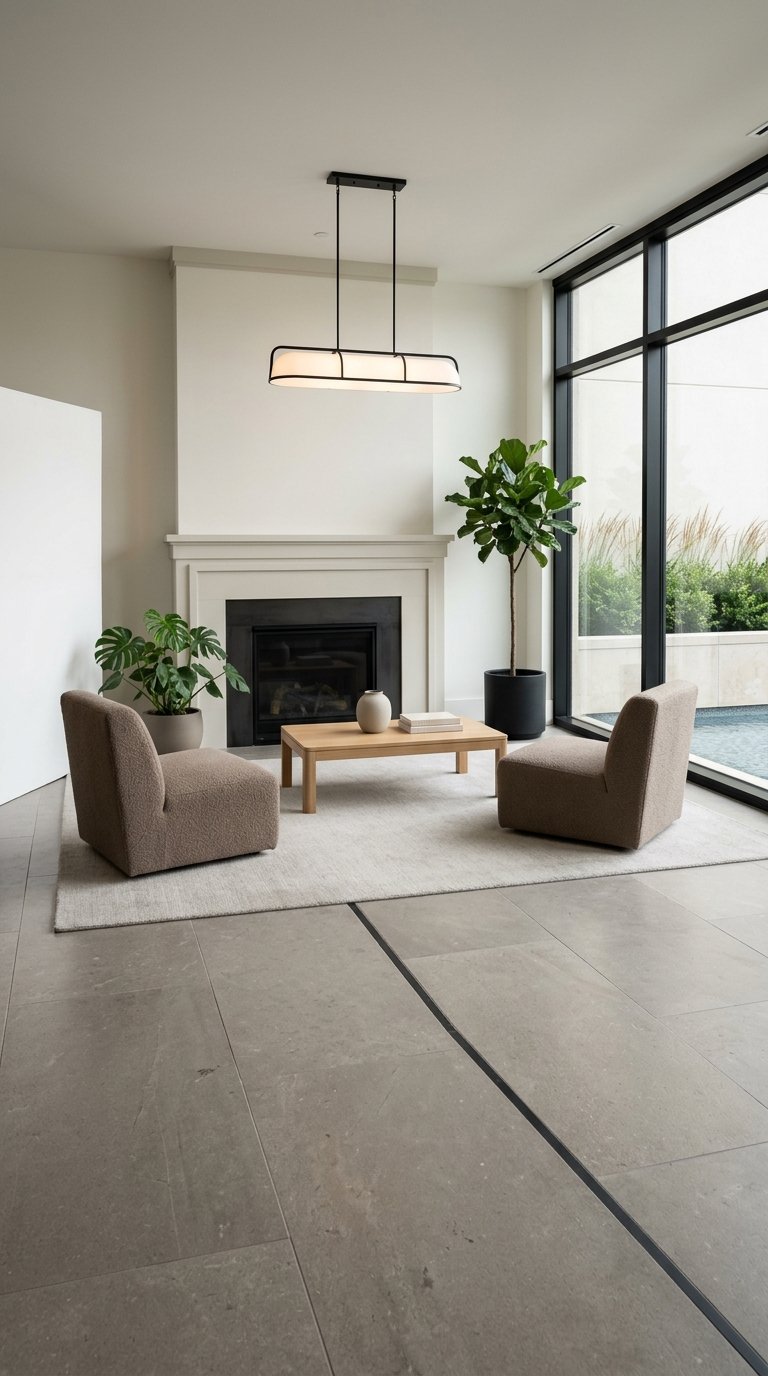
Most modern waterfront buildings lean into light and views. You will see open-plan kitchens flowing into living and dining, floor-to-ceiling glazing, and balconies that make the lake feel close. One-bedroom and one-plus-den suites are common for professionals and couples, with dens often doing double duty as home offices. Two-bedroom options exist, but availability and price vary by building.
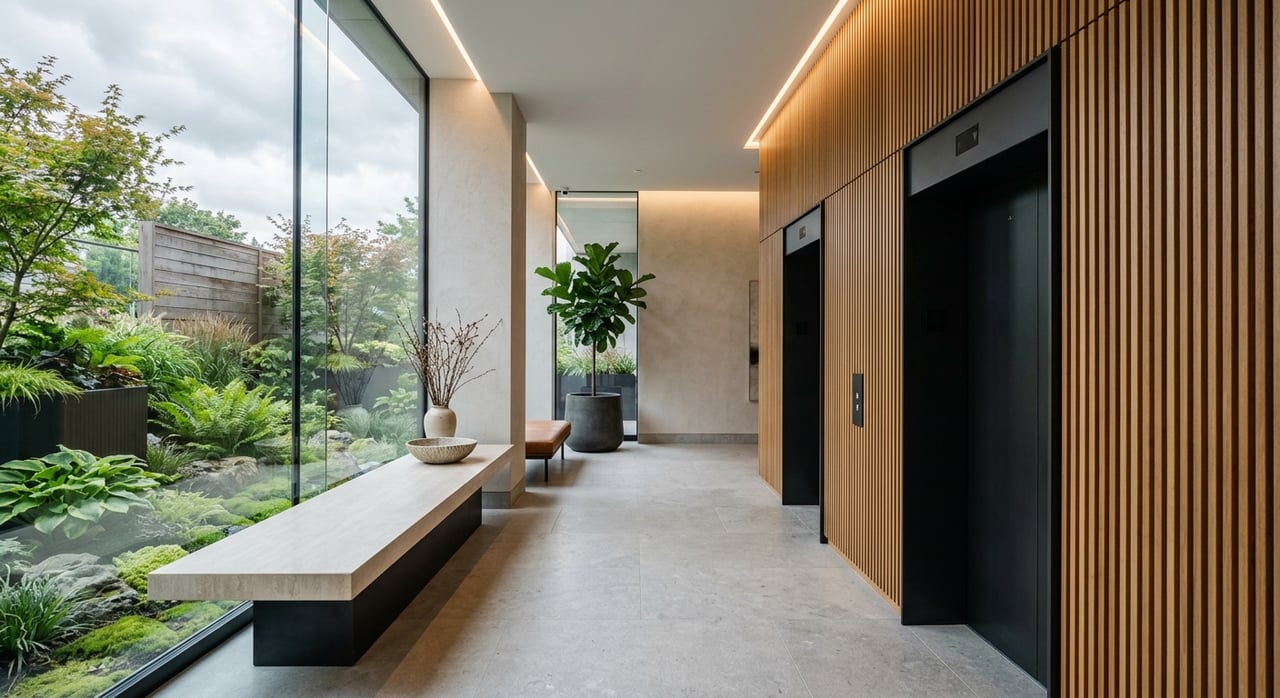
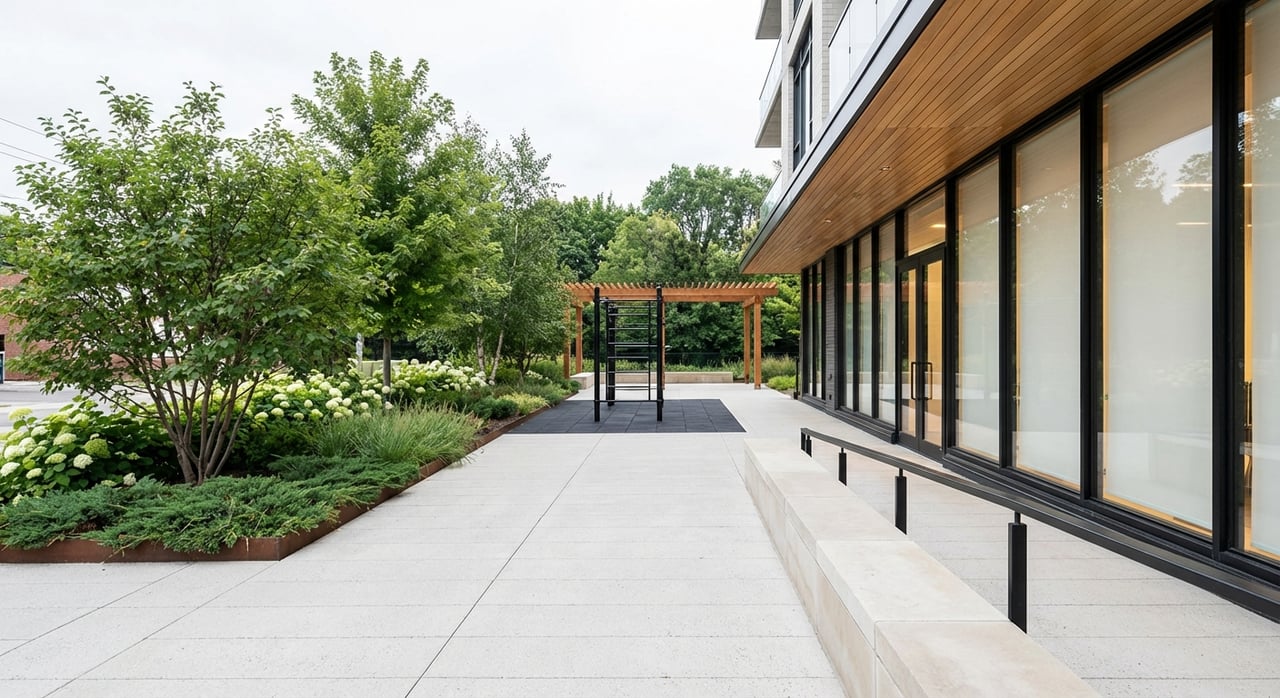
Amenities often include 24-hour concierge and security, fitness and yoga studios, party or meeting rooms, rooftop or BBQ terraces, bike storage, locker storage, and visitor suites. The exact mix depends on the building and target market. Keep in mind, more amenities generally mean higher monthly condo fees, so weigh lifestyle value against carrying costs.
Practical rules, fees, and fine print
Short-term rentals: Toronto allows short-term rentals only in your principal residence and requires hosts to register and display a number. If you plan to use a condo as a pied-à-terre and rent it out when you are away, read the City’s short-term rental rules. Many condo corporations also restrict rentals, pets, and visitor behavior through bylaws, so review a building’s declaration before you commit. A legal overview of how condo rules interact with short-term rentals is outlined by Shibley Righton Condo Law.
Parking and ownership costs: Parking can be limited and often comes with a separate purchase price or monthly fee. Higher-amenity buildings typically carry higher condo fees to cover operations and staffing. If you rely on a car, confirm the on-site parking situation and budget for it.
Flood protection and resiliency: The Port Lands Flood Protection project is a major public work that reduces flood risk and enables future communities like Villiers Island. This is important context for long-term livability, insurance, and planning. You can see the scope and intent in Waterfront Toronto’s summary of our new waterfront coming into view.
Is it right for you? Quick checklist
Use this list to sanity-check your fit with waterfront living:
- Commute style: You prefer walking, streetcar, or short subway trips over daily driving and searching for parking.
- Active lifestyle: You will use the Martin Goodman Trail, parks, and waterfront amenities on most weeks.
- Noise tolerance: You are comfortable with urban sounds and, depending on the block, occasional airplane activity.
- Condo fees and space trade-offs: You value views and amenities, and you are realistic about suite sizes and monthly fees.
- Parking needs: You can live with limited or paid parking, or you rely mainly on transit and rideshares.
- Rental intentions: You plan to occupy the unit yourself and understand principal-residence rules for short-term rentals.
- Evolving neighborhood: You like being part of a changing area with new parks, bridges, and public spaces coming online.
Micro-neighborhood snapshots
Harbourfront
Closest to the water’s edge with quick access to the promenade, Harbourfront Centre events, and the 509 streetcar to Union. Expect a calm, boardwalk feel most evenings. Noise and activity can pick up for festivals or busy weekends, so check a specific block for your comfort level.
East Bayfront, Quayside, and Bayside
Newer parks like Sugar Beach and Sherbourne Common, plus a continuous water’s edge promenade, create an easy rhythm for walks and runs. Office anchors such as the Waterfront Innovation Centre add weekday energy. Many blocks are a short walk to Union Station, which supports a car-light lifestyle.
CityPlace
A dense condo community just north of the water with quick access to the Martin Goodman Trail and the 509 streetcar corridor. You will find ample amenities in-building and nearby, plus easy connections to King West and the Entertainment District.
West Don Lands
A planned mixed-use area that blends residential, parks, and new infrastructure. You will see continuing investment in public spaces and active-transport links. It suits buyers who like emerging neighborhoods with strong trail and transit connections.
Port Lands and Villiers Island
An area in transition where flood protection is unlocking future residential and parkland potential. Expect significant change over the medium term, with new bridges, roads, and public spaces shaping a next-generation waterfront community.
Work with a local advisor
If you are weighing a waterfront condo, a thoughtful plan goes a long way. You will want clarity on building bylaws, condo fees, parking options, and how each block feels at different times of day. You should also consider view corridors, proximity to parks, and your ideal transit connection. For tailored guidance and a curated shortlist that fits your lifestyle, connect with Heidi Lobel.
FAQs
Are short-term rentals allowed in Toronto waterfront condos?
- Toronto allows short-term rentals only in your principal residence and requires registration, and many condo corporations have additional bylaws that further restrict rentals.
How do I commute from the waterfront to downtown offices?
- Many residents walk or take the 509 Harbourfront streetcar to Union Station, then connect to the subway or regional rail as needed.
What parks and trails can I use near the lake?
- You have access to Sugar Beach, HTO Park, Sherbourne Common, the Martin Goodman Trail for cycling and running, and the wilder Tommy Thompson Park for nature walks.
Will I hear planes from Billy Bishop Airport?
- It depends on your block and building orientation, and on weather and operations; if you are sensitive to noise, visit the area at different times to gauge your comfort.
What condo amenities are common on the waterfront?
- Many buildings offer concierge and security, fitness and yoga rooms, party or meeting rooms, rooftop or BBQ terraces, bike storage, locker storage, and visitor suites.