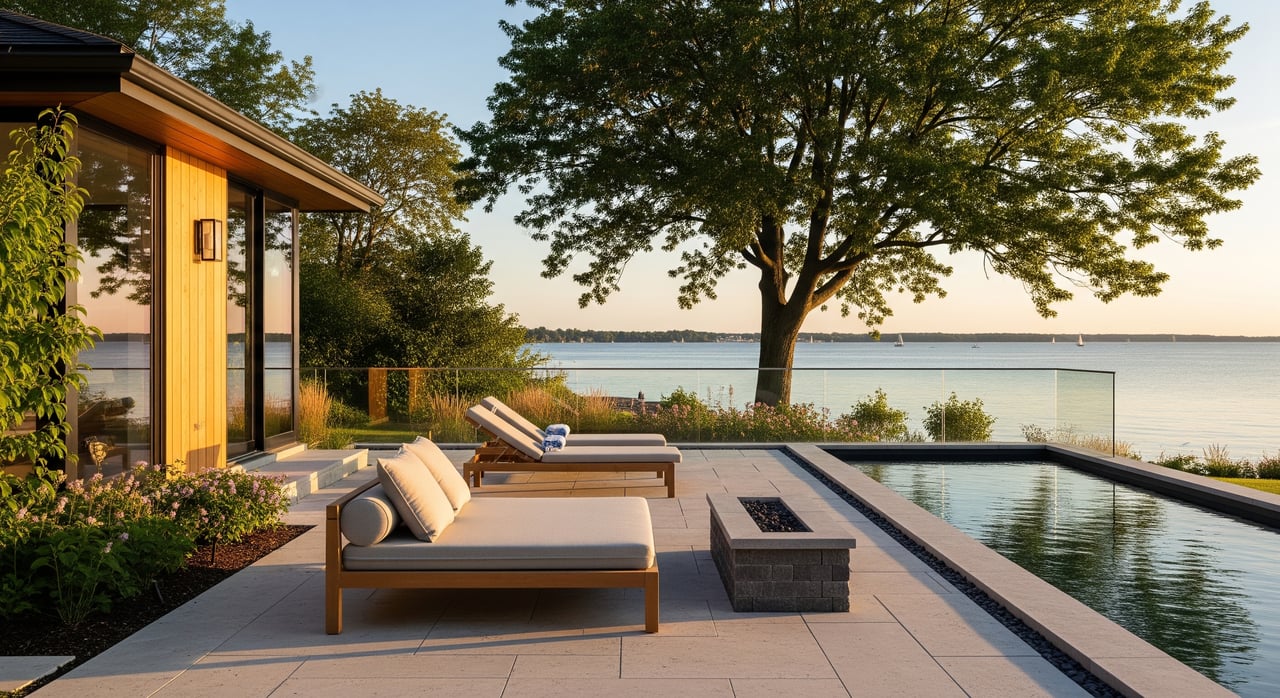
What if your morning walk started on a lakeside trail, your lunch was on a sunny patio near the pier, and your evening ended with a sunset over open water? If you’re considering Burlington, living near Lake Ontario can offer exactly that. You want a balanced lifestyle with easy commuting, parks, and a calm neighbourhood feel. This guide breaks down what day-to-day looks like, which areas to explore, how commuting works, and what to know about homes and regulations so you can decide if lakeside Burlington fits your life. Let’s dive in.
The big picture
Burlington sits on the north shore of Lake Ontario between Oakville and Hamilton, with its waterfront shaping much of the city’s character. The city is part of the western GTA, with many residents commuting to jobs across the region while enjoying a slower, outdoors-forward lifestyle at home. The waterfront, downtown core and nearby parks are the heartbeat of community life.
Neighbourhoods near the lake
Downtown and Waterfront
If you want a walkable, social lifestyle, downtown near Spencer Smith Park and the Brant Street Pier is a strong fit. You’ll find a mix of mid and high-rise condos, townhomes, and some converted older properties. You can stroll the promenade, attend seasonal festivals, and meet friends at cafes and patios within minutes of home. It’s lively in summer and steady year-round.
The Beachway
The Beachway area centers on sandy shoreline, beach parkland and trails. It feels relaxed and summer-oriented with easy access to swimming, picnicking and lakeside walking. Housing is a mix of older cottages and low-rise residential pockets, and it tends to be quieter outside peak season. If you love beach days and easy trail access, put this on your list.
Aldershot (west Burlington)
Aldershot blends established streets, new infill and convenient commuting. The GO station is a major draw for professionals heading east to the GTA or west toward Hamilton. You’ll find a suburban feel with proximity to marinas and waterfront trails. It’s a popular option if you want lake access without living in the downtown core.
South Central, Roseland and Shoreacres
South Burlington’s leafier enclaves offer calm streets and quick access to the water. These areas feature a wide range of single-family homes, from mid-century bungalows to larger executive properties, many updated or rebuilt over time. You get a quieter residential setting while staying close to downtown, parks and the waterfront.
How north Burlington compares
North Burlington is not on the lake but offers larger subdivisions, newer homes and convenient shopping. If you want more space and value while staying a short drive from the waterfront, it’s worth considering as a contrast to lake-adjacent neighbourhoods.
Parks, trails and the outdoor scene
The waterfront is Burlington’s playground. Spencer Smith Park and the promenade draw walkers, cyclists and families. The Brant Street Pier is a landmark for photos, events and waterfront views. The Waterfront Trail links neighbourhoods and is popular for running, biking and leisurely strolls.
On the city’s western edge, the Royal Botanical Gardens provide gardens, trails and seasonal programs. Many residents pair weekend RBG hikes with weekday lakeside walks for a balanced outdoor routine. Boating and sailing are also part of local life, supported by marina facilities and clubs. In summer, swimming and beach days are common, and you can expect occasional water quality advisories to guide safe use.
Events, dining and culture
The downtown waterfront hosts outdoor concerts, markets and festivals that bring the community together. You’ll find local arts venues, community theatre and seasonal programming throughout the year. Dining near the lake leans into patios and views, with a range of restaurants and cafes within a short walk of the pier. For larger shopping centres and big-box options, you’ll head north of the QEW.
Seasonality on the shore
Living by the lake means cooler breezes in summer and slightly milder pockets in winter compared with inland areas. You may notice stronger winds along the shoreline and occasional lake-effect snow. Summer brings more activity, especially near Spencer Smith Park and the Beachway, which can increase traffic and parking competition during popular events. Winter is calmer, with locals embracing trails and community programming.
Commuting and getting around
Rail and transit
The Lakeshore West GO line connects Burlington to Toronto’s Union Station and to Hamilton. Aldershot and Burlington GO stations serve most lake-near neighbourhoods, and Appleby GO is an option farther east. Service frequency varies by time of day, so you’ll want to check schedules. Burlington Transit bus routes provide local connections to GO stations, downtown and shopping.
Driving and highways
The QEW is the main east–west artery along the lake, with connections to Highway 403 and regional routes. Drive times can change significantly based on when you leave and where you start. Many residents combine driving with GO Transit to balance predictability and time.
Biking and walking
The Waterfront Trail is a practical route for local trips, errands and recreation. If you live close to downtown or a GO station, biking or walking can be a pleasant part of your everyday routine.
Practical tips
- If you plan to commute by train, review peak and off-peak schedules and parking availability at your preferred station.
- If you live near the waterfront, plan for event days when local parking and traffic are busier.
- Test-drive your commute at your usual departure times before you buy.
Homes near the lake: what to expect
Housing types
- Condominiums: Concentrated downtown and along major corridors. Popular with downsizers, first-time buyers prioritizing location, and investors.
- Detached homes: Common in south Burlington, including mid-century bungalows and larger executive homes. Many have been renovated or rebuilt.
- Townhomes and low-rise apartments: A middle ground for space and maintenance, often near transit and shopping.
- Infill and redevelopment: Select waterfront and downtown areas are seeing intensification with mid to high-rise projects aligned with municipal planning.
Market realities
Homes with lake views or immediate access tend to command a premium. Condos offer convenience and amenities with lower maintenance, while detached homes trade higher costs for privacy, yard space and long-term customization potential. If you plan to rent out a property, proximity to GO stations and the waterfront can support demand, subject to local bylaws and market conditions.
Planning, permits and flood risk
Waterfront living comes with a few extra checkpoints. City planning policies guide building heights, intensification and public access along the waterfront and in the downtown core. Conservation authorities manage shoreline and floodplain policies. If you are considering a renovation or a property very close to the water, confirm whether permits or special approvals are required. It is also smart to review floodplain mapping and talk to your insurance provider about coverage for sewer backup or basement flooding. A property-specific review can help you plan proactively.
Schools and community services
Burlington is served by multiple school boards, including the Halton District School Board and the Halton Catholic District School Board, with French-language options also available. Catchments vary by address, and program offerings can change, so verify your address with the appropriate board before you buy. Joseph Brant Hospital is the city’s primary acute-care facility, with additional clinics and services across the region. Policing is provided by Halton Regional Police Service, and Burlington typically reports lower crime rates compared to larger urban centres, with differences by neighbourhood.
Pros and cons checklist
What you’ll likely love
- Immediate access to trails, parks and waterfront events.
- Walkable downtown lifestyle near the pier and promenade.
- Regional connectivity through GO Transit and highway access.
- A strong quality-of-life feel with scenic views and outdoor options.
Trade-offs to plan for
- Price premiums for lake views or close-in locations.
- Summer activity that can affect traffic, parking and noise on popular streets.
- Potential flood or shoreline considerations and related insurance needs.
- Event-day congestion near the waterfront.
Finding your best-fit area
Start with your priorities. Do you want an ultra-walkable lifestyle close to the pier and festivals, or a quieter residential street with easy access to the lake? Are you commuting daily by GO, driving, or both? Do you prefer a turnkey condo or a detached home to renovate over time? Then test your top two or three areas at different times of day. Walk the trail, check parking on weekends, and visit the nearest GO station during rush hour. The right neighbourhood will feel natural once you experience it firsthand.
How a local advisor helps
Lake-near Burlington is nuanced. A local expert can flag property-specific considerations like floodplain constraints, renovation permitting, seasonal parking rules and future development that may affect views or streetscape character. You also want current market context for condo fees, maintenance trends in older homes and demand patterns near GO stations. Partnering with an advisor who understands both lifestyle and planning will save you time and help protect your investment.
Ready to explore Burlington’s lakeside neighbourhoods with a calm, strategic approach? Connect with Heidi Lobel for tailored guidance, curated listings and a plan that matches your lifestyle and goals.
FAQs
How long is the commute to Toronto from Burlington?
- It varies by time of day and your origin within Burlington. Many residents use the Lakeshore West GO line for predictability. Test your commute at typical departure times for the best comparison.
Which Burlington areas balance lake access and value?
- Consider Aldershot for commuting convenience with lake proximity, South Central/Roseland/Shoreacres for quiet streets near the water, and north Burlington for value with a short drive to the shoreline. Tour a few to see which trade-offs fit your routine.
What home styles are common near the lake?
- You’ll see downtown condos and townhomes, mid-century bungalows in established neighbourhoods, and renovated or rebuilt detached homes in south Burlington. Infill and mid to high-rise developments appear along select corridors.
Do I need special insurance near the waterfront?
- Some properties close to the lake may require additional coverage for sewer backup or flood-related risks. Review property-specific details, consult floodplain mapping and speak with your insurer about coverage and premiums.
How do I confirm school options for a specific address?
- Check catchment information directly with the relevant school board. Programs and boundaries can change, so confirm details before you make an offer.
What is Burlington’s waterfront like in winter and summer?
- Summer is active with festivals, patios and beach days, which can increase traffic and parking near the water. Winter is calmer, with cooler breezes on the shoreline and steady use of trails and community amenities.