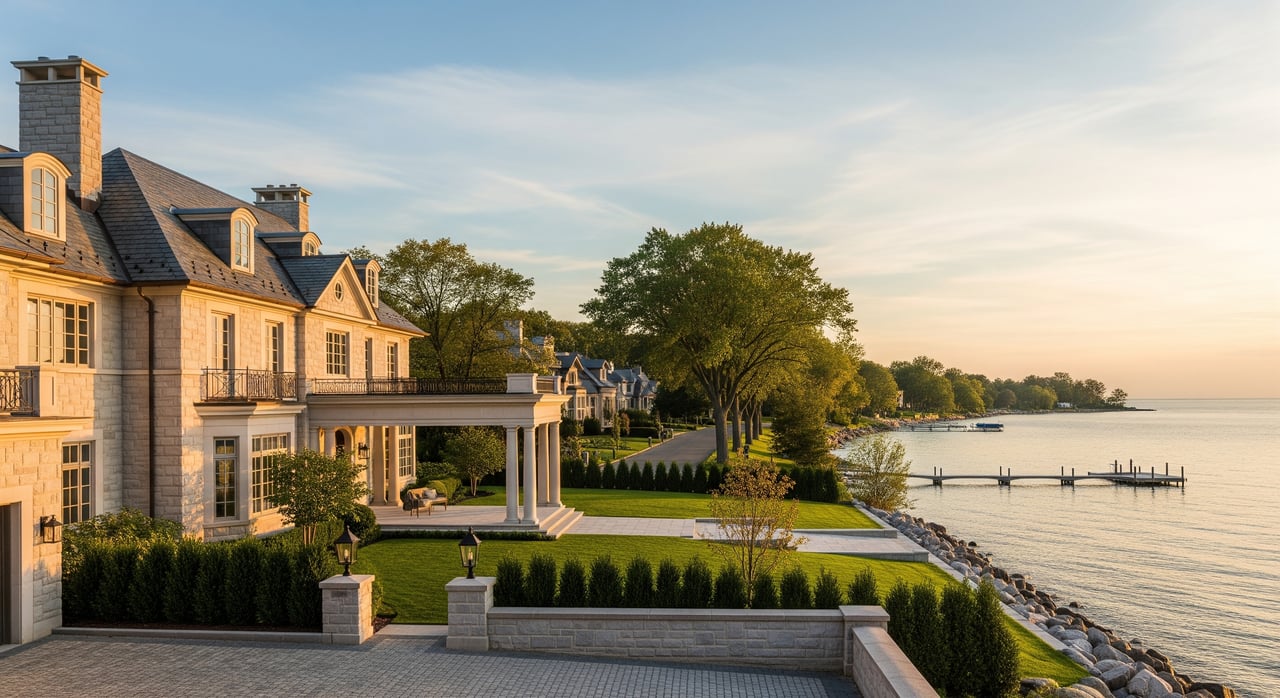
Are you seeing homes in Lorne Park sell quickly and wondering what is driving those prices? If you are exploring this lakeside neighbourhood or planning a sale, you are not alone. Lorne Park is a true micro-market where lot size, lake proximity, and renovation quality can swing value in a big way. In this guide, you will learn how the market works, which metrics matter, and how to use local insights to make a confident move. Let’s dive in.
Lorne Park at a glance
Lorne Park is a mature, low-density residential pocket along Mississauga’s lakeshore. It is known for large lots, mature trees, and primarily detached homes. Townhomes and condos exist but represent a small slice compared with central Mississauga.
Inventory tends to be tight. Many owners have held for years, and listings can be scarce compared with demand. When a well-presented property is priced correctly, it can move quickly. At the same time, small monthly sales counts mean averages and medians can swing from just a few high-end deals. Thinking in quarterly or 12-month rolling terms gives you a clearer picture.
What is driving prices right now
Limited supply meets focused demand
Turnover in Lorne Park is typically lower than city averages. Buyers are drawn by the waterfront setting, parks, trails, privacy, and the prestige of larger lots. The supply-demand imbalance supports higher price points and can set the stage for multiple offers on desirable listings.
Seasonality you can plan around
Activity usually peaks in spring from March to June, with more listings and showings. Late fall and winter often slow. If you are listing, spring can maximize exposure. If you are buying, expect more competition in peak months and more negotiating room during quieter periods.
Interest rates and sentiment
Mortgage rates influence purchasing power across the GTA, including premium pockets like Lorne Park. Shifts in rates can quickly speed up or cool buyer activity. Even in high-demand micro-markets, financing costs matter.
Rebuild activity and lot value
Larger lots attract builders and end users who plan significant renovations or new builds. Wide frontage and deep parcels are especially coveted. This redevelopment interest can lift prices for certain lots that offer design flexibility.
The three biggest value drivers
Lot size and frontage
In Lorne Park, frontage is one of the strongest price determinants. Wider lots offer privacy, room for larger floor plans, and future potential. While total square footage still matters, buyers often prize lot characteristics as much as the house itself. Two homes with similar interiors can trade very differently if one has a wider or deeper lot.
Proximity to Lake Ontario
Waterfront and unobstructed lake views carry clear premiums. Properties closest to the water, with strong orientation and sightlines, sit at the top of the market. A glimpse view typically trails a direct, unobstructed view. Inland homes without water influence price based on other features like lot and renovation level.
Renovation, layout, and systems
Full, high-quality renovations reduce risk for buyers and bring premium results. Updated kitchens and bathrooms, open layouts, mechanical upgrades, windows, and roofing all improve marketability. Finished basements add living space, but main and upper levels usually carry greater value per square foot.
Supporting factors that influence value
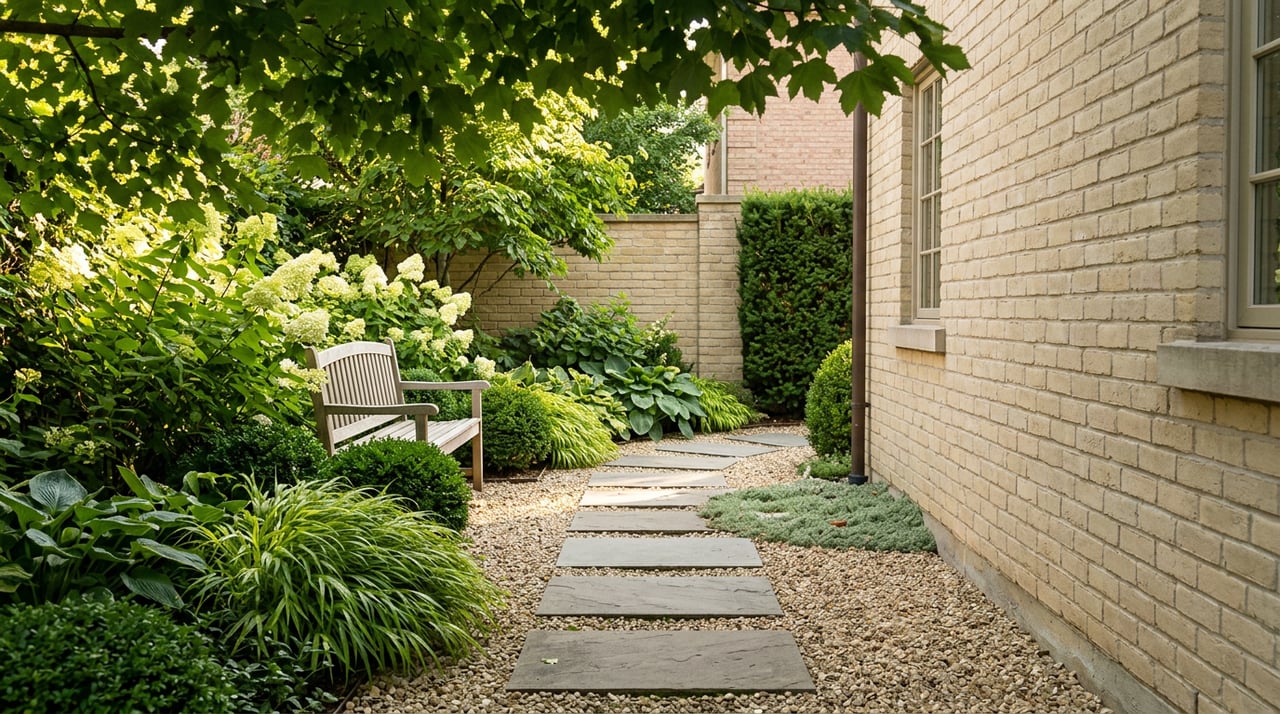
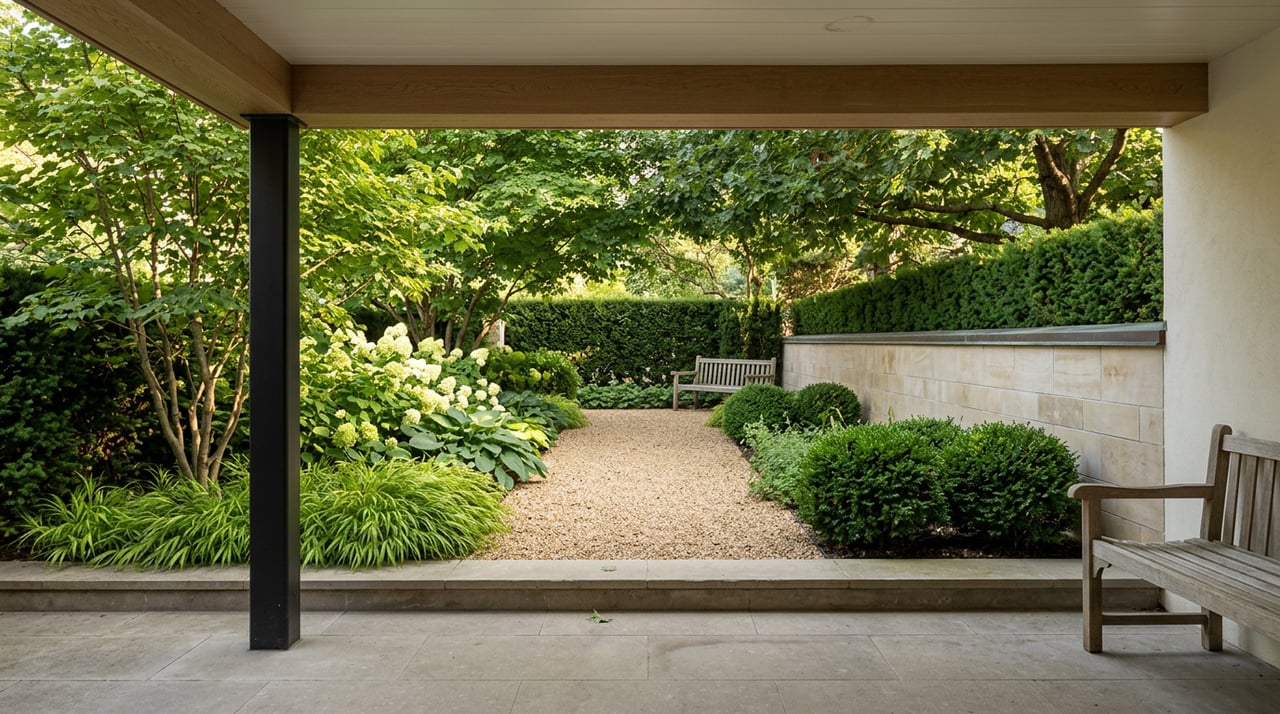
- Privacy and landscaping: Mature trees, generous setbacks, and thoughtful landscape design raise desirability.
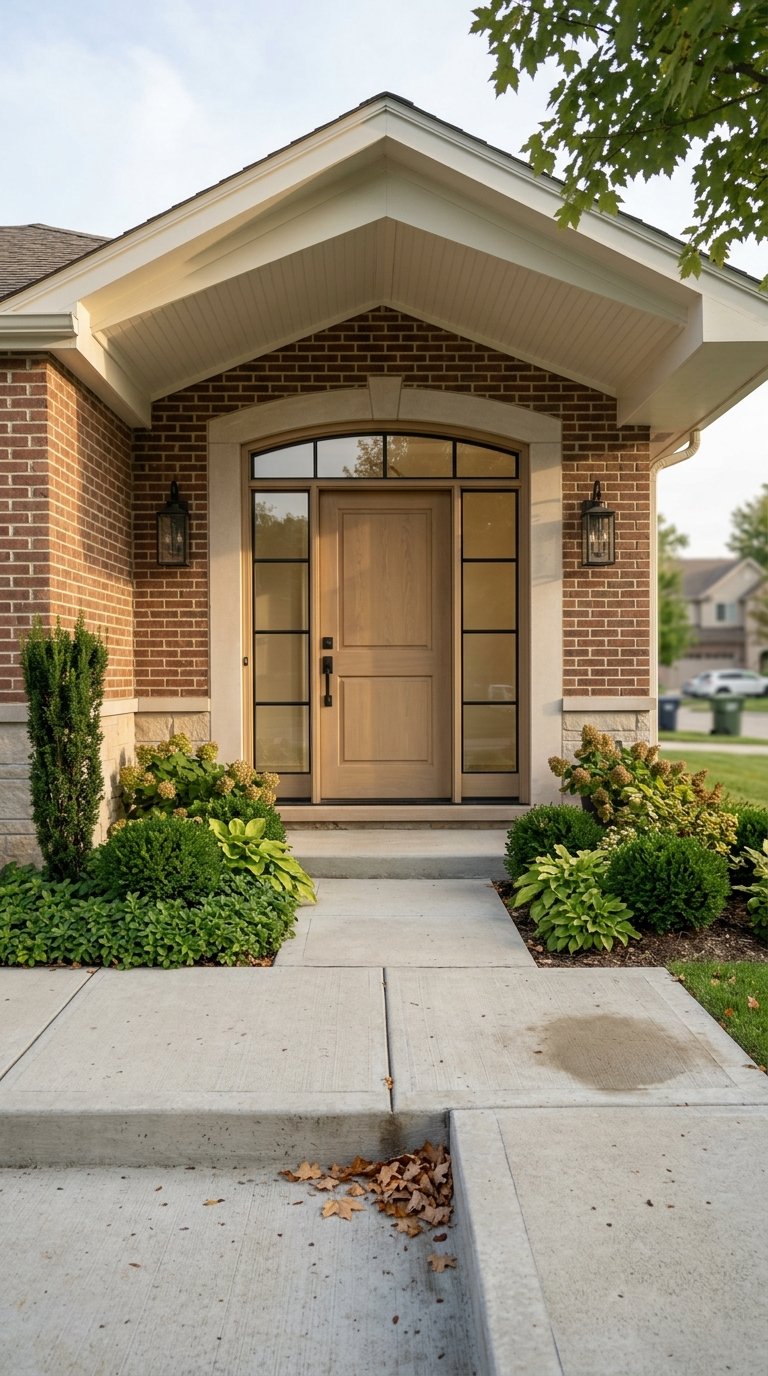
- Architecture and curb appeal: Classic, well-maintained styles and luxury new-builds both command strong interest.
- Parking and garage capacity: A two-car or larger garage and wide driveway add utility that buyers notice.
- School catchments and amenities: Access to reputable public schools and nearby trails, marinas, shopping, and GO transit support demand. Confirm catchment details for a specific address with the school board.
- Zoning and development potential: Possibilities for additions, accessory suites, or severance can enhance strategic value. Confirm local bylaws before assuming what is buildable.
How to read Lorne Park market data
Lorne Park’s small sample sizes can make single-month stats misleading. Focus on medians and rolling 6 to 12-month views, and separate detached homes from other property types.
- Median vs. average: Medians help reduce the impact of very high-end outliers, like rare waterfront estates.
- Months of inventory: Active listings divided by monthly sales shows supply relative to demand. Lower values suggest a stronger seller’s market.
- Days on market: A drop often signals rising demand or sharper pricing. A rise can indicate pushback on price or slower seasons.
- Sale-to-list ratio and over-asking share: These show pricing discipline and competition. Multiple offers are more common when inventory is tight and a listing is well-priced.
- Price per square foot: Use with caution. In Lorne Park, lot size and frontage can skew this metric. Compare homes with similar lot characteristics.
Metrics to check before you list or bid
- Rolling 6 to 12-month median sale price for detached homes
- Active listings, number of sales, and months of inventory
- Median days on market for comparable homes
- Sale-to-list ratio for recent nearby comps
- Comparable lot frontage, depth, and overall lot area
- Renovation level, mechanical updates, and layout comparisons
- Lake proximity and view orientation compared with your target property
Buyer playbook: how to compete wisely
Focus your search by lot first
Shortlist properties by lot frontage, depth, and setting before you weigh interior finishes. This approach aligns with how the market prices value in Lorne Park. Once the lot boxes are checked, use renovation quality and layout to break ties.
Be ready for multiple offers
When a well-priced property hits the market in peak season, you may face competition. Have financing prepped, understand the likely value range from comparable sales, and be clear on your walk-away number. Flexibility on closing timing can also strengthen your position.
Renovation versus move-in ready
Buying a project can be a smart path into a preferred street or lot size. The tradeoff is renovation risk and timeline. Prioritize inspections and budget for mechanicals as well as finishes. If you value speed and certainty, a recent full renovation can be worth the premium.
Smart questions to ask at showings
- Where are the lot boundaries and any easements?
- Are there tree protection or conservation constraints that affect additions?
- What updates were completed and were permits obtained when required?
- How does the home orient to the lake and prevailing light?
Seller playbook: how to unlock value
Price to the lot, then the house
Emphasize lot frontage, depth, and lake influence in your pricing strategy. Match your home to recent sales with similar lot characteristics. Then adjust for renovation level, layout, and mechanical updates.
High-impact updates that help listings shine
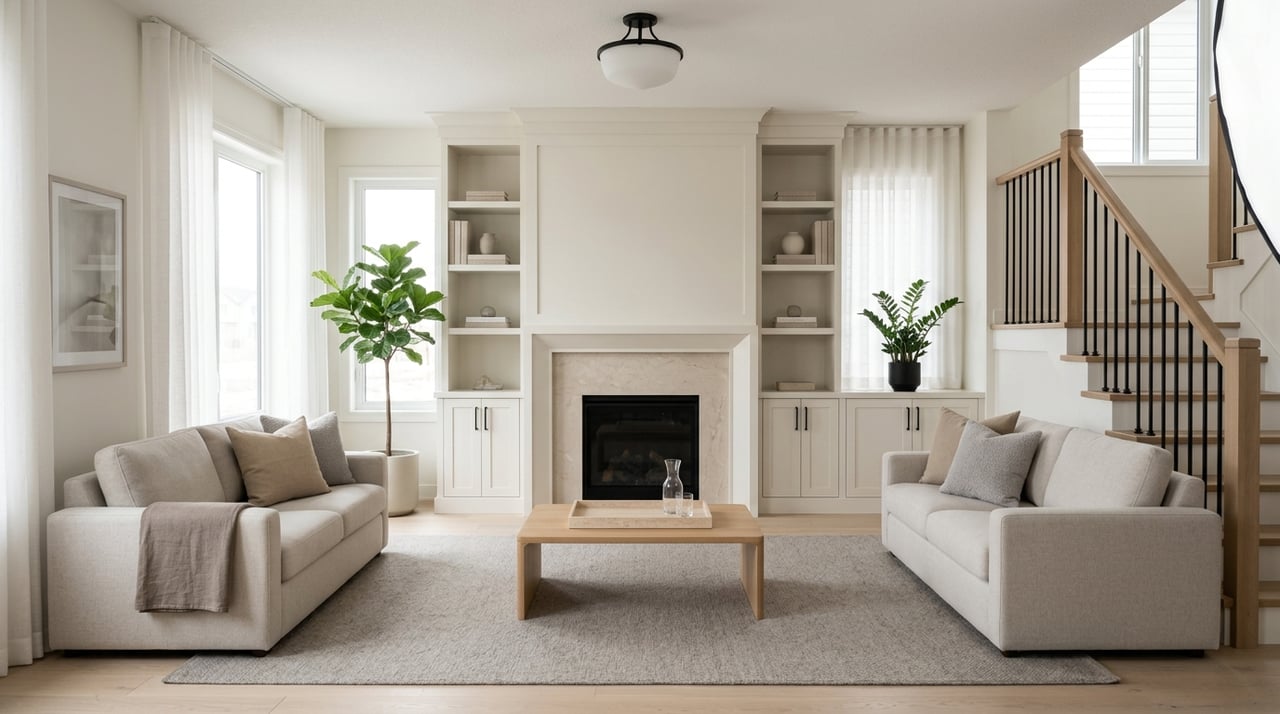
Kitchen and bath refreshes, improved lighting, flooring consistency, and mechanical upgrades typically add marketable value. Curb appeal improvements and professional staging can expand your buyer pool and shorten time on market.
Timing and presentation
Spring brings more eyes and often stronger outcomes. That said, well-prepped listings perform in any season when they are priced to the market. Invest in premium photography, floor plans, and a clear narrative of the lot and location benefits. In a micro-market, presentation and targeting matter.
Local items to confirm before you build or buy
- Zoning and official plan rules: Lot coverage, height limits, and setbacks determine what you can add or build.
- Conservation and shoreline rules: Properties near the lake may face special setbacks or permit requirements.
- Tree protection bylaws: Mature canopy rules can influence site plans and timelines.
- Property taxes and utilities: Carrying costs affect long-term affordability.
- School catchments: Boundaries can change. Confirm for your address.
Turn insights into results
Lorne Park rewards informed decisions. When you understand how supply, seasonality, the lake, and lot size shape value, you can price or bid with confidence. If you are considering a sale or want to sharpen your search, a neighborhood-specific valuation and curated comp set will help you move decisively.
For tailored guidance, staging, and data-driven pricing in Lorne Park, connect with Heidi Lobel. Get your free home valuation and a clear plan to achieve your goals.
FAQs
What makes Lorne Park more expensive than other Mississauga neighborhoods?
- Limited turnover, larger lots, lake proximity, mature landscaping, and strong buyer demand create a premium compared with broader city averages.
How much do lake views or frontage add to price in Lorne Park?
- Waterfront and unobstructed views carry clear premiums, but the amount varies widely by orientation, sightlines, and lot specifics, so rely on recent comparable sales.
Should I buy a renovated home or a renovation project in Lorne Park?
- A project may offer entry into a preferred lot or street at a lower price, while a fully renovated home trades at a premium for speed and certainty; budget, timeline, and risk tolerance decide.
How often do Lorne Park lots get subdivided or redeveloped?
- Redevelopment is common on larger parcels, but severance and build potential depend on zoning, frontage, depth, and local rules that must be confirmed before planning.
When is the best time of year to sell a Lorne Park home?
- Spring typically brings more listings and buyers, often leading to stronger outcomes; winter can still work with sharp pricing and standout presentation.
How do I compare two homes with different lot sizes and house sizes?
- Start with lot frontage, depth, and location influences like lake orientation, then adjust for interior square footage, renovation level, and mechanical updates.
What local rules impact rebuilding or adding onto a Lorne Park property?
- City zoning, tree protection, and conservation or shoreline policies set limits on coverage, height, and setbacks, so confirm specifics for the property before committing.