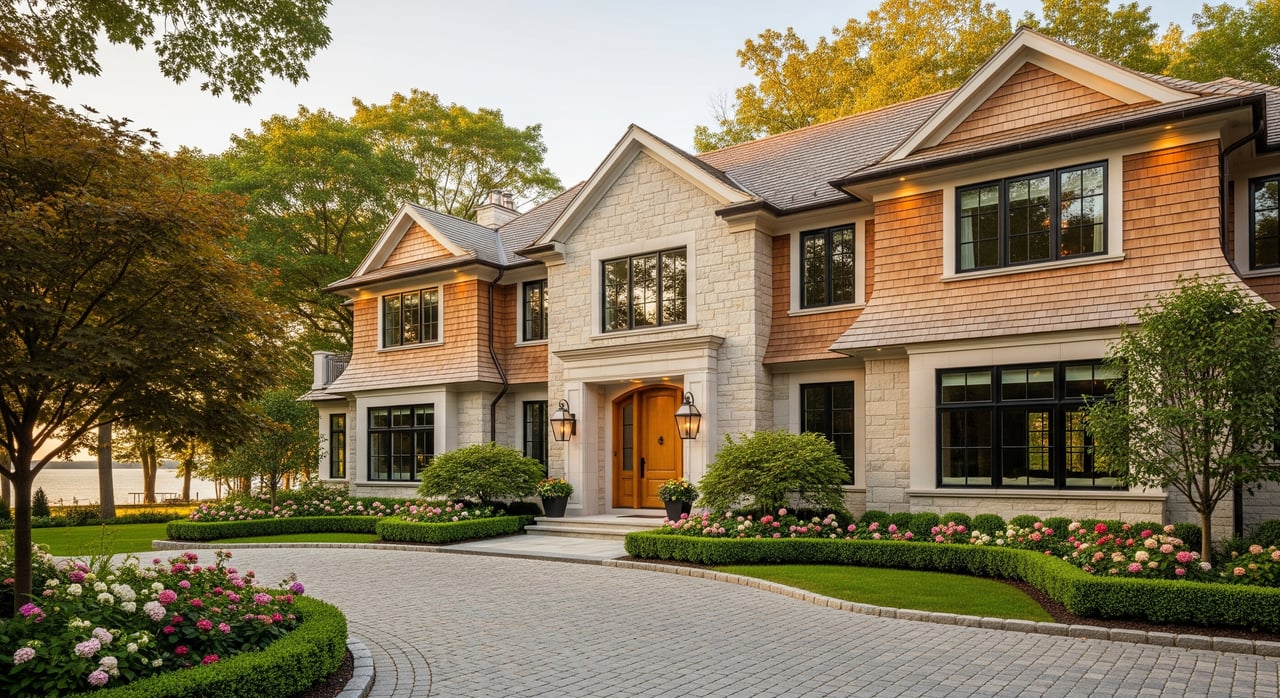
Thinking about selling your East Oakville home in L6H but want a simple, proven plan? You’re not alone. The right launch strategy can mean a faster sale and a stronger result, especially when buyers are selective about condition, finishes, and location. In this guide, you’ll get a step-by-step plan built for L6H, from pre-list prep to pricing, media, showings, and closing basics. Let’s dive in.
L6H market context and what it means
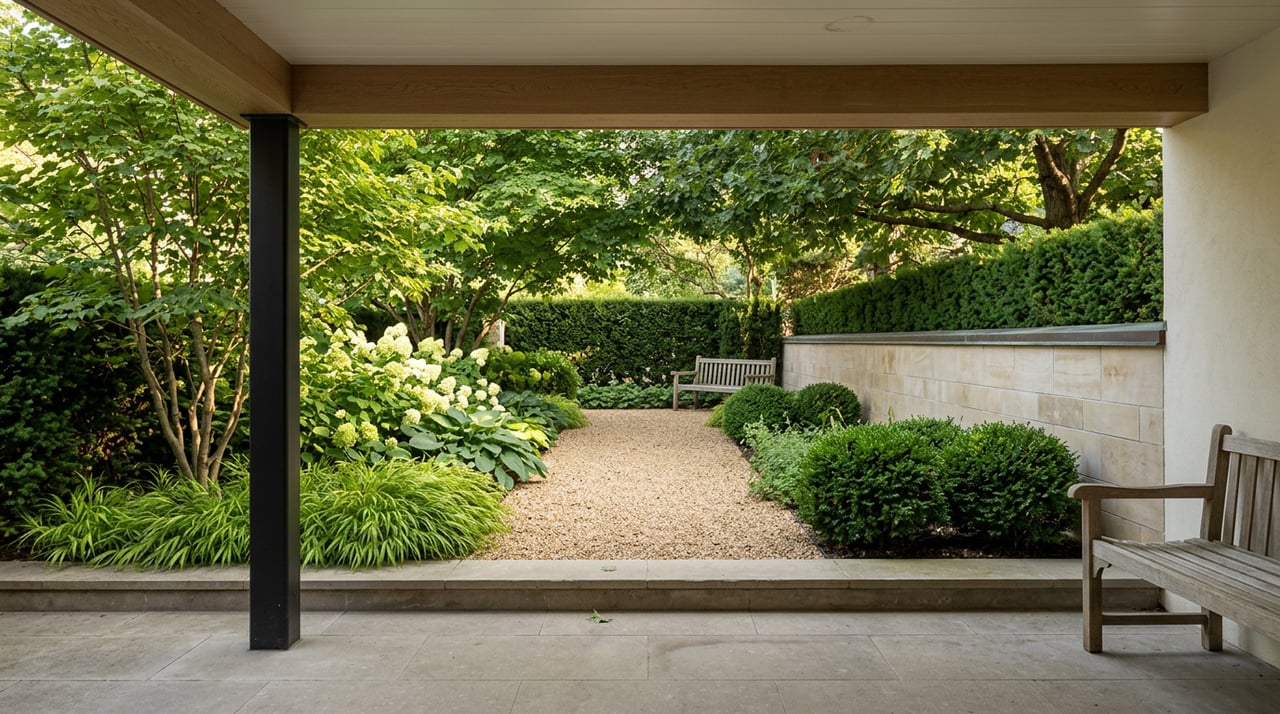
L6H covers a cluster of East and central Oakville neighbourhoods. If you’re unsure where your home falls, you can confirm the postal FSA using the Canada Post postal code tools. Buyers in this area often value proximity to schools, parks and trails, GO/QEW access, flexible bedroom counts, finished basements, and inviting outdoor space.
Market conditions shift with interest rates and seasonal demand. To align your pricing and timing, review current data from the Toronto Regional Real Estate Board and the Canadian Real Estate Association. For a read on the interest rate environment, check the Bank of Canada. Local planning and amenity updates are available through the Town of Oakville and Halton Region.
What this means for you: price using a hyper-local CMA, invest in presentation that highlights family-friendly spaces and outdoor living, and launch during an active buyer window. Detached homes, towns, and condos move differently, so tailor your approach by property type.
Four-week launch plan
Week -4 to -3: Plan and book
- Order a local Comparative Market Analysis with recent solds and active competition within 1–3 km.
- Inspect and prioritize repairs. Address safety or structural issues first, then high-ROI cosmetic updates.
- Confirm permits for past renovations and gather records. Start a document folder for warranties and invoices.
- Schedule vendors: stager, photographer, floor-plan provider, cleaners, landscaper.
Week -2: Prep and stage
- Deep clean and declutter, storing excess furniture offsite if needed.
- Complete painting and small upgrades. Place staging and accessories to define each space.
- Consider a pre-list inspection to reduce surprises and support pricing confidence.
Week -1: Produce media
- Shoot professional photos and create detailed floor plans with measurements.
- Film video and capture a 3D scan for virtual showings.
- Draft your MLS copy and amenity highlights. Confirm feature sheets and property site assets.
Launch week: Go to market
- Publish on MLS and REALTOR.ca, and launch a dedicated property page.
- Activate social ads and email outreach. Schedule broker previews and open houses where appropriate.
- Track showings and feedback daily. Be ready to adjust pricing or messaging if interest is soft.
Pre-list checklist
Use this list to keep momentum and protect your timeline:
- Request a CMA and agree on a pricing strategy.
- Tackle safety and structural fixes, then visible cosmetic items.
- Verify permits and keep records handy for buyers.
- Clarify disclosure documents required by your brokerage and the Real Estate Council of Ontario.
- If you have a mortgage, obtain a payout statement and note discharge fees.
- If tenanted, follow Ontario rules for notice and access.
- Lock in vendor dates for staging, photography, floor plans, cleaning, and landscaping.
High-ROI refreshes for L6H homes
Small improvements can sharpen value quickly:
- Fresh, neutral interior paint in high-traffic rooms.
- Deep cleaning, decluttering, and garage tidy.
- Kitchen refreshes like hardware, lighting, grout and caulking touch-ups.
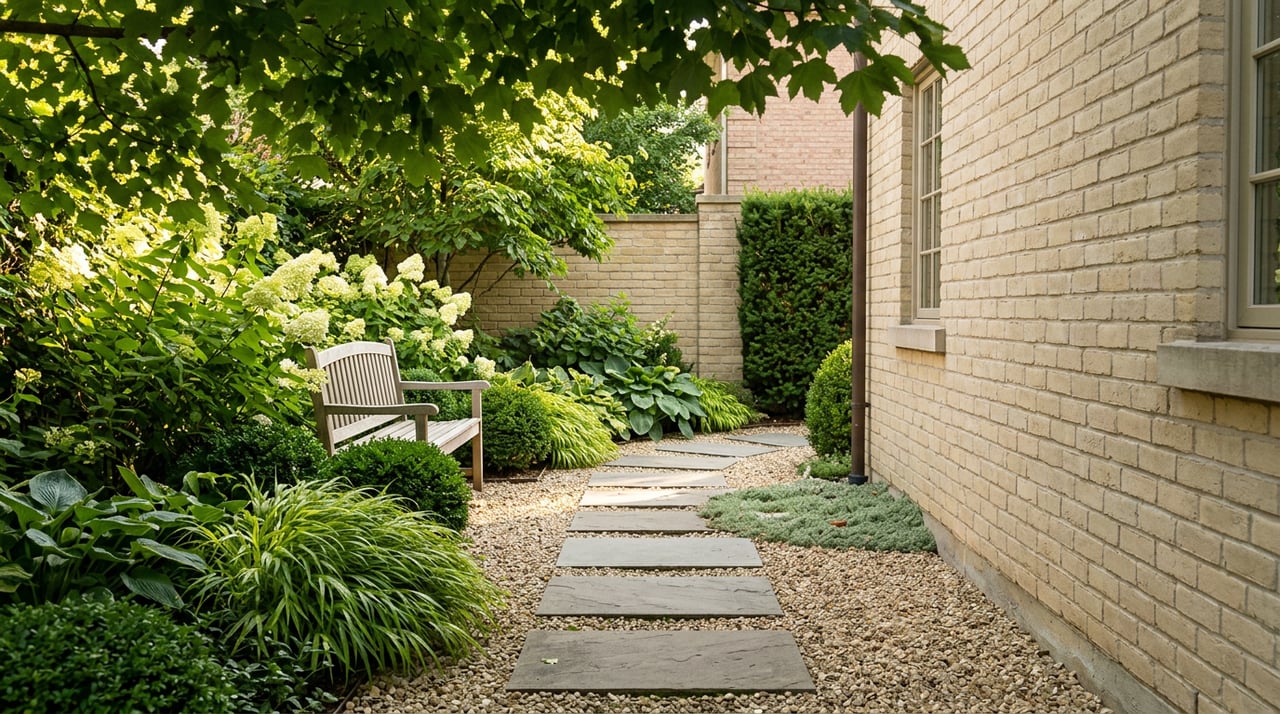
- Landscape tune-up with mulch, trimmed hedges, and clear walkways.
- Updated light fixtures and clean outlet covers.
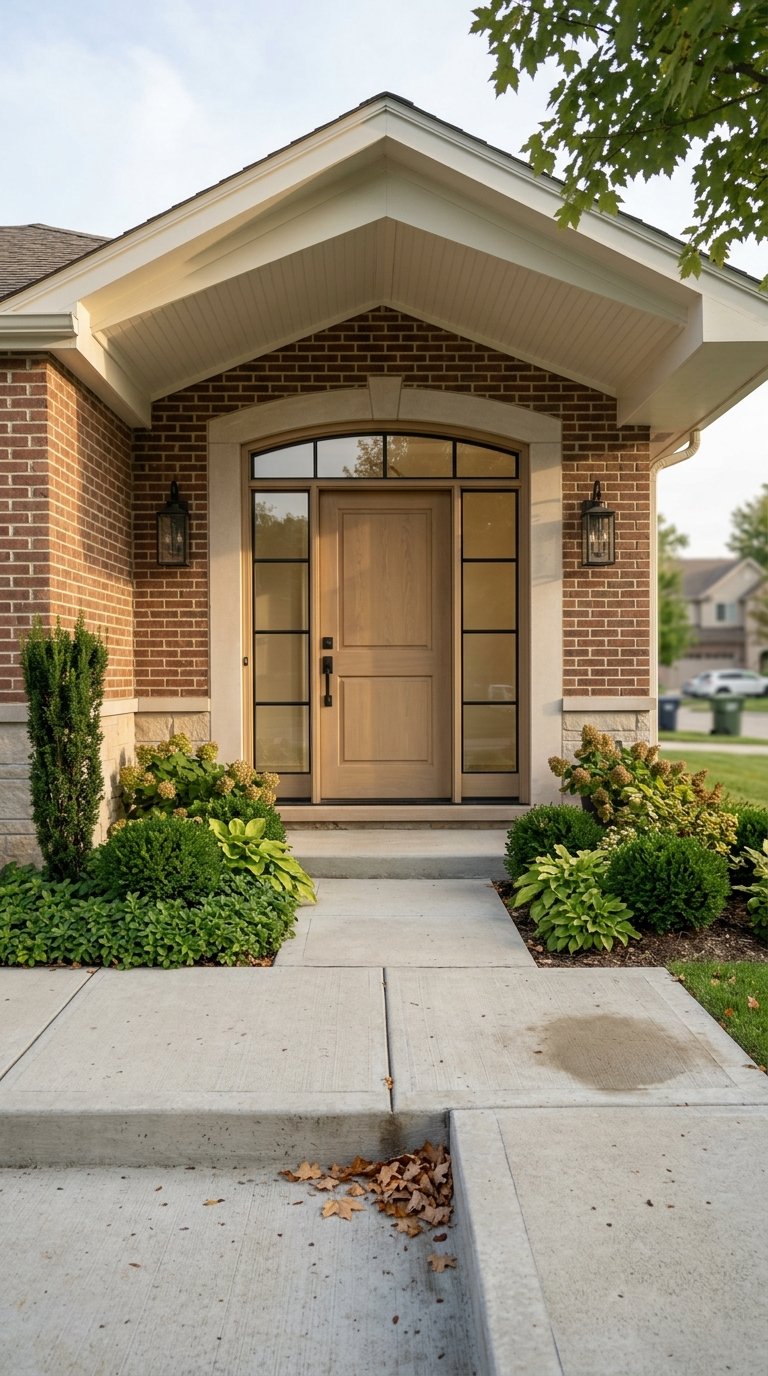
- Crisp curb appeal with visible house numbers and a new doormat.
Staging that speaks to buyers
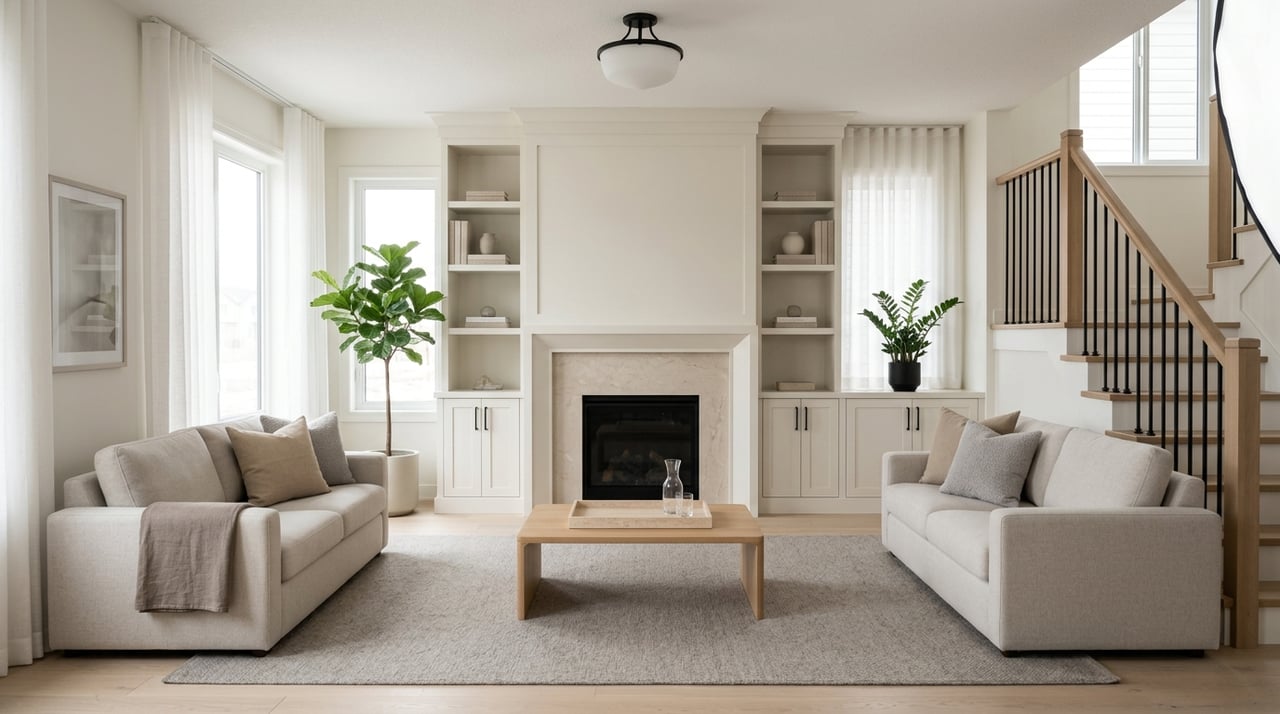
Staging helps buyers see how they will live in the home. A typical flow is a 1–3 day consultation, 2–5 days for light staging, and up to 1–2 weeks for full staging if the home is vacant.
Prioritize the main living area, kitchen, primary bedroom, primary bath, and entry. In L6H, a flexible office or study space can be a smart add. Keep furniture scaled to the room and style to highlight light, flow, and outdoor access.
Media that moves buyers
Great media is not optional in today’s market. It sets the tone from the first click and drives qualified showings.
Photography standards
- Shoot high-resolution images with balanced exposures and corrected distortion.
- Capture a complete shot list: front exterior, foyer, main living areas, kitchen, dining, primary suite, key secondary bedrooms, baths, basement, garage, and outdoor living.
- Include detail shots for notable upgrades and a twilight exterior if budget allows.
Floor plans and measurements
- Provide a clear, scaled 2D plan with room names and approximate dimensions.
- Share total finished square footage and per-level breakdown if available.
- Consider 3D plans for extra clarity online.
Video and 3D tours
- Create a 60–90 second hero video plus a longer walk-through that shows room flow and the backyard.
- Add a 3D scan using a platform like Matterport 3D tours to help out-of-town or schedule-constrained buyers pre-qualify.
- Use drone footage where permitted to show lot context and nearby green space.
Listing copy and amenities
- Lead with the home’s best features and recent updates by year where possible.
- Be precise about room counts, lot size, parking, and storage.
- Add nearby amenities that matter to local buyers: schools by board, GO access, parks, trails, grocery and retail hubs. Verify any distance or timing claims with maps or municipal pages like the Town of Oakville.
Pricing strategy that fits the market
Start with a local CMA and be honest about how your home compares to active and recent sales. In balanced conditions, pricing at market attracts the widest buyer pool. In stronger seller markets, strategic pricing slightly under market can focus attention and may invite multiple offers.
Consider how buyers search in price bands and avoid awkward thresholds that reduce visibility. Set expectations for conditional offers and timelines. Track key indicators in the first two weeks, including showings per week, days on market, and list-to-sale price ratio.
Showing plan and offer strategy
Flexible showing windows increase exposure. Set notice that works for your household, keep the home show-ready, and offer virtual showings for serious out-of-town buyers.
If you expect strong interest, decide early whether to set an offer date. Keep negotiations transparent and consistent with industry guidance. Ask for proof of funds or a lender pre-approval with offers, and coordinate with your legal counsel on conditions and timelines.
Legal and closing essentials in Ontario
Disclosure and forms are part of a clean sale. Work with your brokerage and review guidance from the Real Estate Council of Ontario to complete current forms and disclose known material facts.
Most resale residential properties are generally exempt from HST. Land transfer tax is typically a buyer cost in Ontario. If you want to learn more about how it works, see the province’s overview of the Land Transfer Tax in Ontario. Sellers usually budget for commission, legal fees, mortgage discharge costs, and adjustments for utilities or taxes.
Typical closings run 30–90 days from acceptance, depending on financing and agreement. Clear any liens or permit issues early to avoid delays at closing.
How we market L6H listings
You deserve a marketing-led approach that reaches the right buyers with the right story. Heidi’s service blends premium staging and presentation, data-informed pricing, and polished media that showcase flow, finishes, and outdoor living. Your listing benefits from a boutique strategy with the distribution of a national brand.
From CMA and prep to photos, 3D, floor plans, and targeted digital campaigns, the process is hands-on and designed to maximize your net. You stay informed at every step with clear metrics and feedback so you can decide with confidence.
Ready to plan your launch and see where your home fits in today’s market? Connect with Heidi Lobel for a free home valuation and a tailored L6H listing plan.
FAQs
When should I start preparing my L6H home to sell?
- For light prep, 2–3 weeks is typical; for repairs and full staging, plan 4–6 weeks. Faster timelines are possible but may affect outcomes.
Do I need a pre-list home inspection in Oakville?
- It is optional. A pre-list inspection can surface issues early and support pricing, but it may prompt repair requests or negotiations.
Will staging help my East Oakville sale price?
- Staging often improves market speed and perceived value, especially for vacant homes or those needing decluttering and cosmetic refreshes.
How should I price my L6H property?
- Use a local CMA with recent comparable sales and actives, then consider search price bands. Monitor showings and feedback in the first two weeks.
What documents and disclosures will I need in Ontario?
- Complete your brokerage’s standard forms and disclose known material facts. Your agent will follow current guidance from RECO and OREA.
Who pays land transfer tax in Ontario transactions?
- Buyers typically pay land transfer tax on closing, while sellers budget for commission, legal fees, mortgage discharge costs, and adjustments.