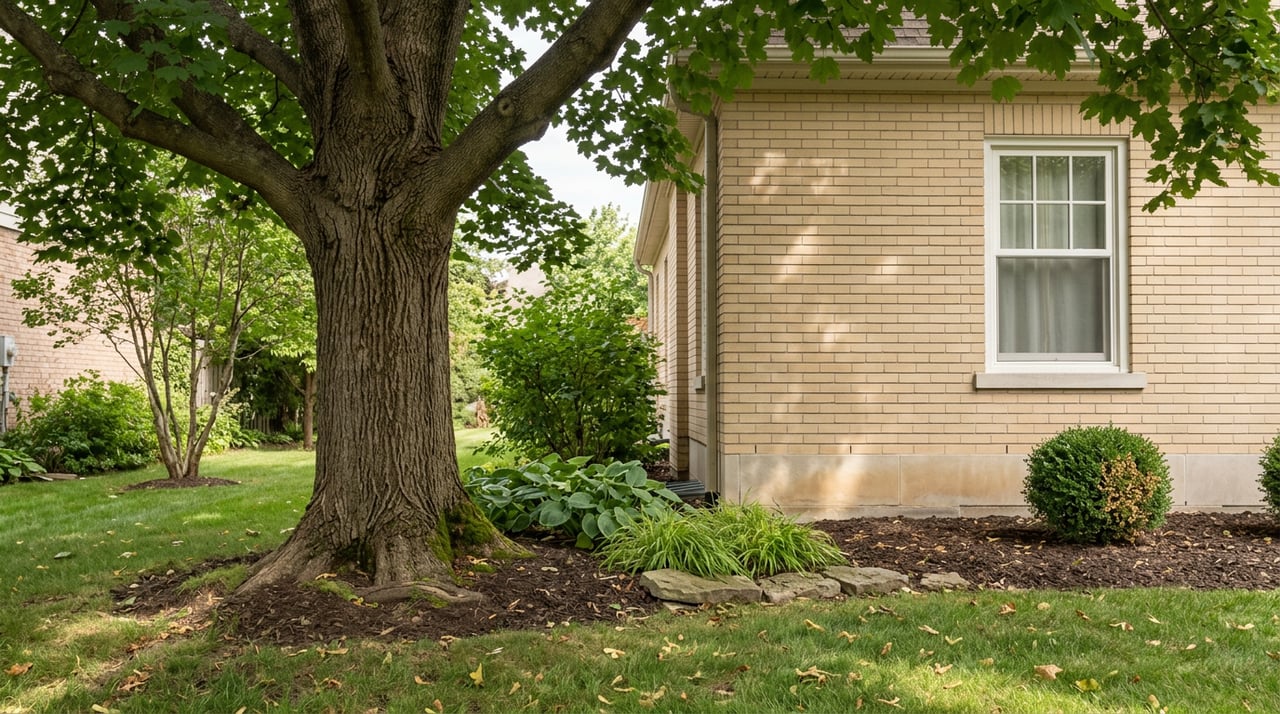
Which lot is the better buy: the updated home on a 100-foot lot in the core of Lorne Park, priced in the $3.5M to $5M band, or the dated version two doors down, priced lower, sitting on the same size of land, with the same mature trees standing over both?
Most buyers answer that question by looking at the discount. Fewer run the number that actually determines how the math plays out: how many of those trees are over 15 centimetres in diameter, and how long the city needs before you can touch them.
The Deal That Isn't Quite What the Listing Says
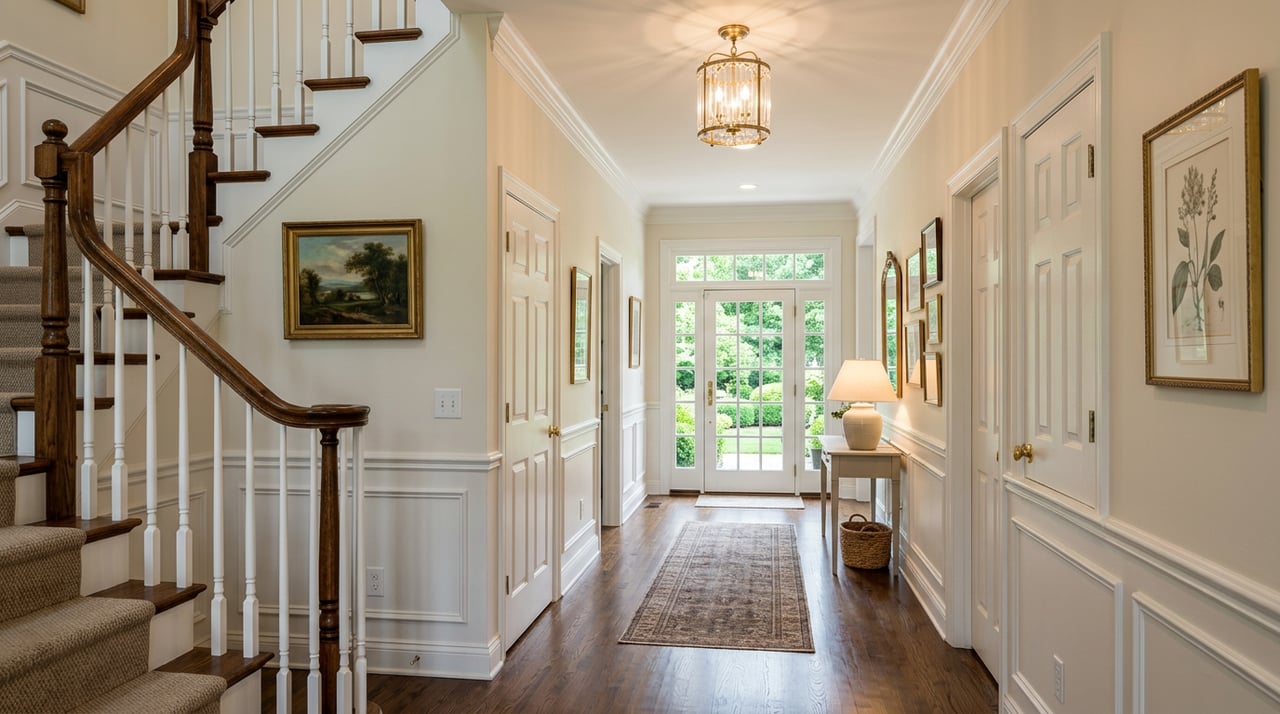
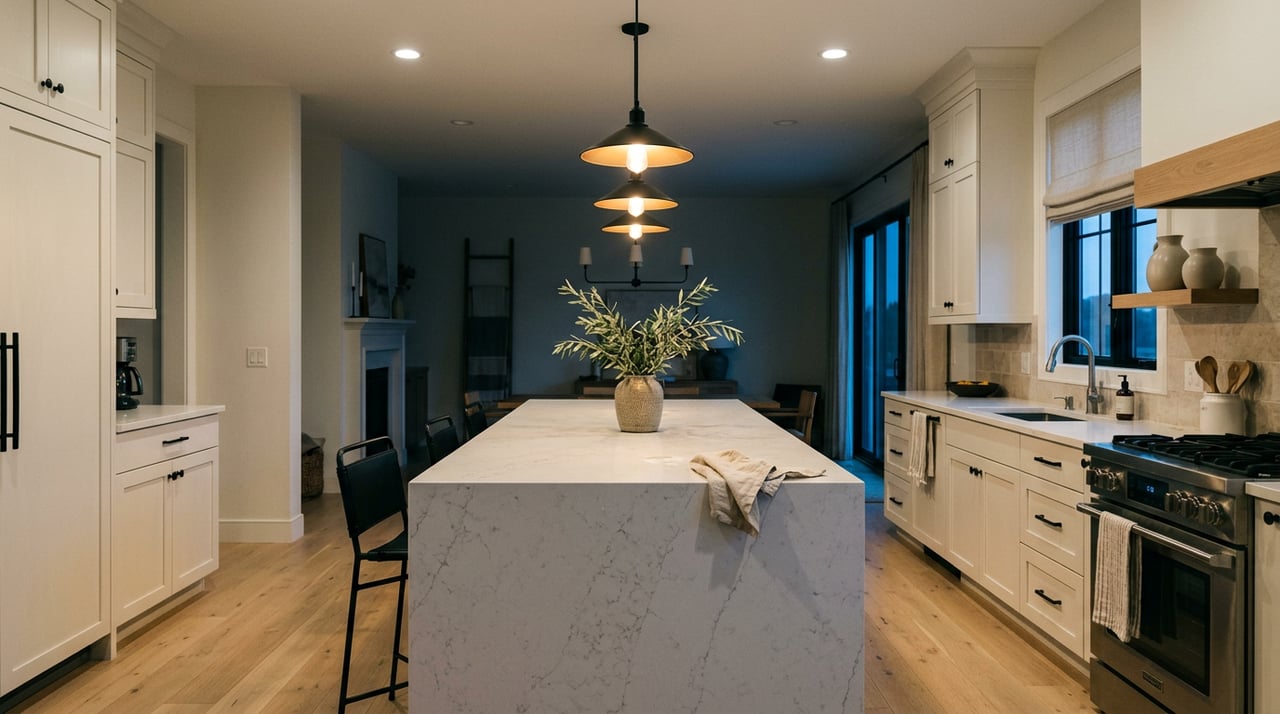
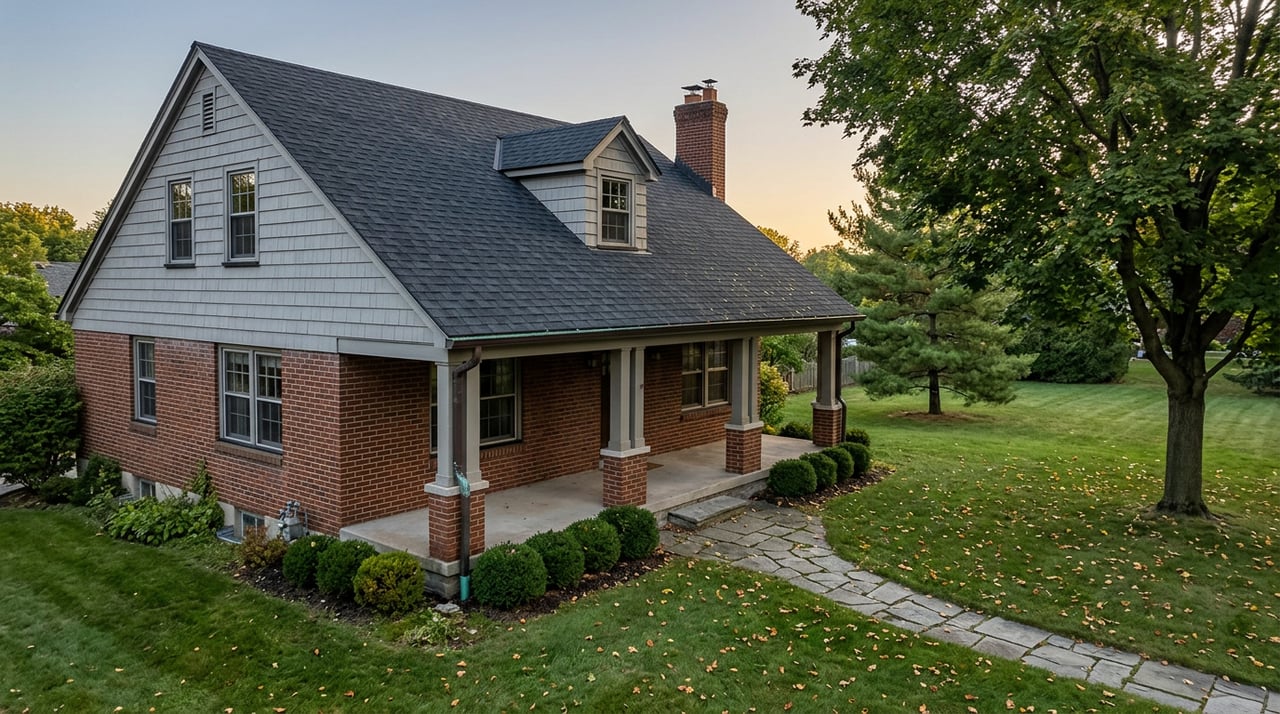
Lorne Park is not a single market, and treating it like one is where teardown buyers lose money before they've poured a foundation. The neighbourhood splits into distinct enclaves, and each one prices differently. Whiteoaks of Jalna, named for Mazo de la Roche's Jalna novel series, holds the estate-scale lots: 100 feet of frontage and more, with homes trading in the $6M to $8M-plus range. Watercolours is newer, built out mostly in the 2000s on standard 50 to 60-foot lots, and it draws families who want the Lorne Park Secondary School catchment and its International Baccalaureate program without paying Whiteoaks money. Then there's the core: 75 to 100-foot lots, older stock, where an updated home with a modern kitchen and finished basement still draws $3.5M to $5M in 2026, and a dated home on the identical footprint is where buyers currently have the most room to negotiate.
That last category is the one getting bid on as a teardown play. It's also the one where the tree canopy is oldest.
Same Street, Three Different Markets
| Enclave or Lot Type | Typical Frontage | What the Data Shows It Trades For | Buyer Profile |
|---|---|---|---|
| Whiteoaks of Jalna | 100 ft+ | $6M to $8M+ | Estate buyers, turnkey scale |
| Watercolours | 50 to 60 ft | Below Whiteoaks pricing, standard-lot scale | Families wanting the school catchment without the estate price point |
| Core lots, updated | 75 to 100 ft | $3.5M to $5M | Move-in buyers on an established lot |
| Core lots, dated | 75 to 100 ft | Same footprint, meaningful room to negotiate versus updated comps | Teardown-and-rebuild buyers |
The pattern in that table is straightforward once you see it laid out. The negotiating room isn't evenly distributed across Lorne Park. It concentrates in exactly the segment where a hundred years of undisturbed tree growth has had the longest run.
Why the Neighbourhood Average Lies to You
Here's where a portal number does real damage. Lorne Park records only a few dozen sales in a typical quarter, not hundreds, so a single large estate trade can swing the reported average by six figures without a single home actually changing in value. In the fourth quarter of 2025, the area recorded 28 sales averaging $1,949,639, with a median of $1,820,000. Read the next quarter's average against that one and it can look like the market dropped hundreds of thousands of dollars. What actually happened is a mix shift: whether the quarter happened to include a couple of 100-foot Whiteoaks-scale trades, or didn't.
Compare that to the citywide number. Mississauga's overall average detached price sat at $1,482,130 in data reported within the past two weeks, up 4.4 percent month over month. That figure tells a buyer almost nothing useful about what a Lorne Park lot costs, because Lorne Park itself isn't one price point sitting above the city average. It's three or four price points, and the citywide comparison flattens all of them into a single line that fits none of the actual enclaves.
A quarterly average that swings six figures isn't telling you the market moved. It's telling you which enclave happened to trade.
If you're pricing an offer off a neighbourhood-wide number instead of the last closed comp on the same enclave and lot type, you're negotiating against a number that describes a different property than the one in front of you.
The Tree Canopy Is the Asset. It's Also the Schedule.
This is where the teardown math gets specific. Mississauga's Private Tree Protection By-law requires a permit to remove or injure any tree measuring 15 centimetres in diameter at breast height, roughly the width of a large grapefruit. That threshold is half of Toronto's 30-centimetre standard, which means a tree a Toronto buyer would assume needs no paperwork can require a full application in Mississauga.
Every development or construction project affecting a protected tree needs an ISA certified arborist report as part of that application, and current guidance puts processing at four to six weeks from a complete submission through the city's Planning and Building department. Removal comes with a replacement obligation too: one new tree for every 15 centimetres of diameter taken down, so a single 45-centimetre trunk requires three replacements on the property or, if there's no room, a payment toward planting on city land.
None of that is unique to teardown lots specifically, but it lands hardest on them. A firm that builds custom homes across south Mississauga has flagged the same pattern directly: in treed communities like Mineola and Lorne Park, the arborist and root-zone review adds real cost and time to a permit timeline, and it needs to be built into the schedule from the start rather than discovered after an offer is firm.
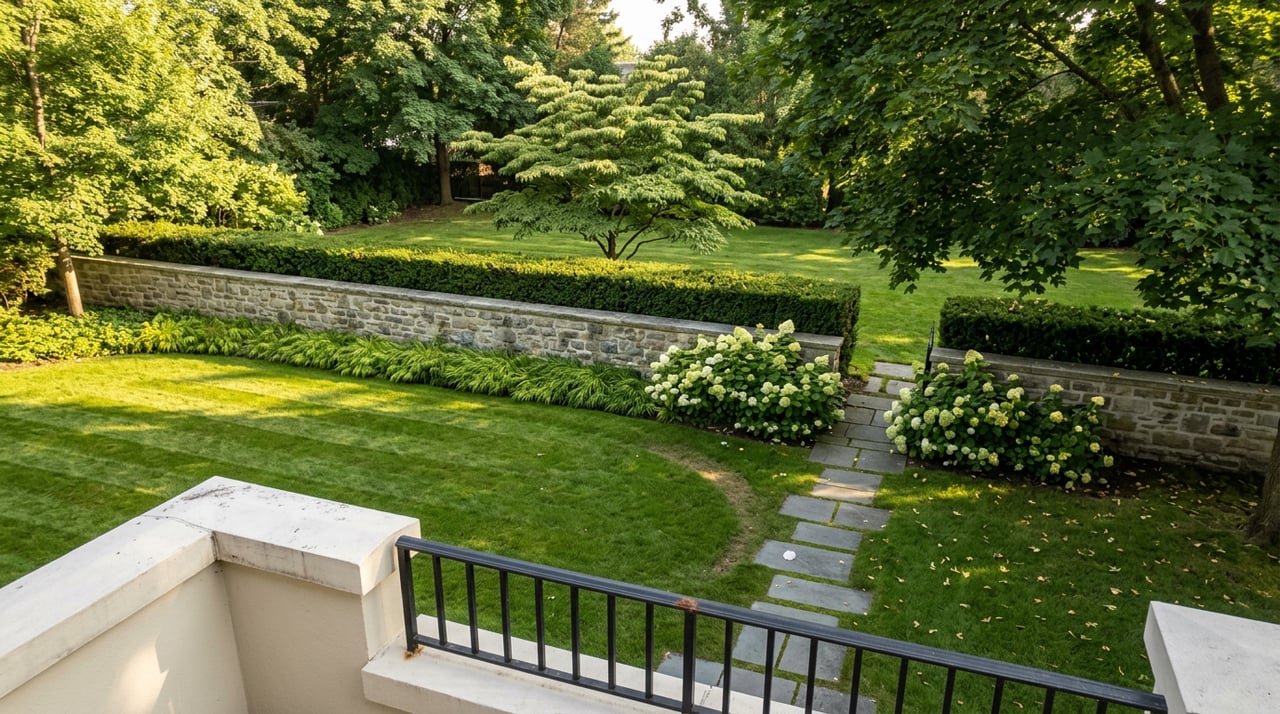
Lorne Park's defining feature, the hundred-year canopy that Whiteoaks and the core enclave both trade on, is the same feature that slows down exactly the kind of project a discounted dated lot is usually bought for.
Where the Friction Actually Lands
Put the two threads together and the pattern is clear. The core enclave's dated homes carry the widest negotiating room in the neighbourhood precisely because they're older, and older lots in Lorne Park are the ones most likely to carry a higher count of protected, larger-diameter trees. The buyer who thinks they've found the value play in Lorne Park is often the buyer facing the longest arborist-and-permit runway before a shovel goes in the ground.
Estate-scale Whiteoaks purchases don't escape the by-law, but buyers at that price point are typically budgeting professional project management and a longer runway from the outset, so the tree review is priced in rather than discovered. The friction shows up hardest for the buyer who assumed the discount on a core lot was pure upside.
Before writing an offer on a Lorne Park lot with redevelopment in mind, a few things are worth confirming while your condition period is still open:
- Walk the lot with an ISA certified arborist before waiving conditions, and get an actual count of trees at or above the 15-centimetre threshold.
- Ask whether any protected trees sit on or near a shared property line. Boundary trees require written consent from both owners before removal, which adds a step most buyers don't budget for.
- Check whether the lot backs onto a ravine or regulated watercourse. If it does, add a Toronto and Region Conservation Authority review on top of the city's process.
- Build four to six weeks of permit processing into your closing-to-groundbreaking timeline, on top of whatever your builder already quoted.
What This Means If You're Buying or Selling a Treed Lot
If you're buying with a teardown in mind, the enclave-specific comp matters more than the neighbourhood average, and the tree count matters more than the listing photos. Negotiate a condition period long enough to get an arborist walk done before you're committed, and ask the seller directly for any existing tree inventory or prior permit history on the property.
If you're selling a dated home on a mature lot, the canopy is a genuine selling point, but it's also the first question a serious teardown buyer's team will ask about. Having an arborist report already in hand when you list removes a layer of uncertainty for that buyer and can shorten their own timeline to firm up an offer. It's the kind of detail that separates a listing that gets full price from one that sits while buyers quietly discount for the unknown.
I've spent more than 25 years in this market building the kind of marketing and negotiation strategy that accounts for exactly this sort of detail, the layer beneath the listing photo that determines whether a Lorne Park property closes at the number it deserves. If you're weighing a purchase on a specific street or preparing to list a treed lot, Heidi Lobel can walk through what your particular enclave and lot actually support. Get your free home valuation to start that conversation.
Does every tree on a Lorne Park lot need a permit before removal? Any tree measuring 15 centimetres or more in diameter at breast height is protected under Mississauga's Private Tree Protection By-law, including dead or dying trees. Given the age of Lorne Park's canopy, most established trees on a core or Whiteoaks lot clear that threshold.
How long should I budget for tree permitting on a rebuild? Current guidance puts processing at four to six weeks from a complete submission, and that clock only starts once your arborist report and application are in. Build that into your schedule before you set a groundbreaking date with a builder.
Does this apply if I'm renovating rather than tearing down? Yes. An arborist report is required for development and construction projects generally, not only full teardowns, so an addition or major renovation near a protected tree's root zone triggers the same review process.