Ask a home inspector working in Clarkson which system fails a deal most often, and the roof rarely comes up first. Neither does the furnace. The answer, more often than buyers expect, is the electrical panel, and the reason has less to do with the age of any single house than with which half of Clarkson it sits in.
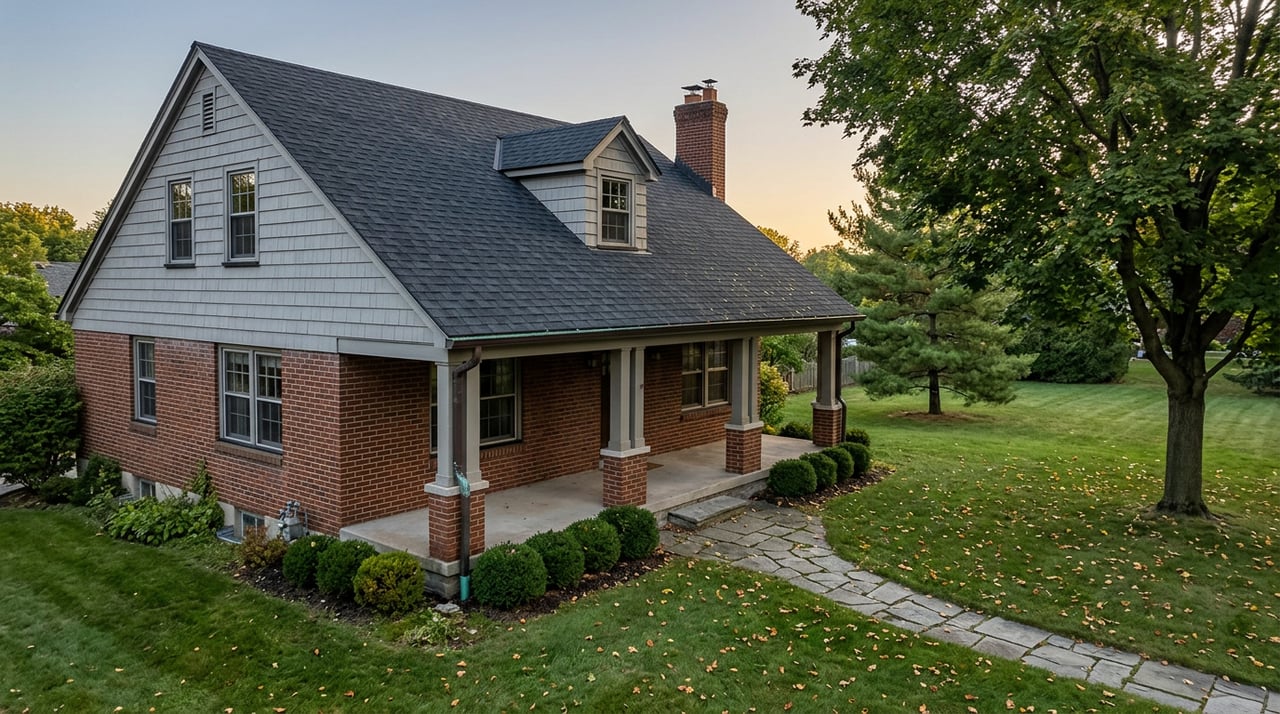
Clarkson is not one electrical neighborhood. It is two, layered on top of each other, and they fail for opposite reasons. The original Park Royal bungalows and side-splits north of Lakeshore, many of them built off streets like Truscott and Bromsgrove, tend to be underpowered for the century they're now living in. The estate homes closer to the lake and Rattray Marsh have the reverse problem: panels sized for a simpler house that has since acquired a pool, a hot tub, or a second HVAC zone. Both situations can stall a closing. Neither looks like a problem from the street.
Why Park Royal's Wiring Runs Older Than Its Renovations
Park Royal was Clarkson's second subdivision, built by developer Leonard Finch across roughly 900 acres stretching from what is now Southdown Road to Winston Churchill Boulevard, south of the QEW. The community opened on August 8, 1958, with underground utilities and a master plan for schools, parks and a library, an ambitious template for its era, according to Wikipedia's history of Clarkson. Construction through the neighborhood continued into the 1960s and early 1970s, which puts a meaningful share of Park Royal's original housing stock squarely inside a window that matters more today than it did when the concrete was poured.
Copper prices spiked in Ontario during the mid-1960s through the mid-1970s, and builders across the province switched to aluminum branch wiring to keep costs down. The wire itself isn't inherently dangerous. The trouble shows up at the connections. Aluminum expands and contracts more than copper, and over decades that movement can loosen the terminations at outlets, switches and the panel, creating exactly the kind of high-resistance points that overheat. The Electrical Safety Authority notes plainly that homes with unremediated aluminum connections carry real risk, and many Ontario insurers now require an ESA Certificate of Inspection before they'll write or renew a policy on a home from this era, a standard laid out on ESA's own guidance page on aluminum wiring.
Layer onto that a second, more mundane problem. Many Park Royal bungalows still run on their original 60-amp or early 100-amp service. That was adequate in 1968. It is not adequate for a house that has since added central air, a finished basement and a kitchen full of modern appliances running at once. A panel that can't carry the load doesn't announce itself with a burning smell. It shows up as breakers that trip more than they should, or as a hard stop when a buyer's electrician tries to size an EV charger circuit and finds there's nothing left to give.
The Opposite Problem Near Rattray Marsh
The estate side of Clarkson, the winding streets south of Lakeshore near Rattray Park Estates and the marsh, tells a different story. These homes have often been renovated more heavily, and successfully, over the decades. But renovation tends to happen in phases: a pool one decade, a home theater the next, an EV charger more recently. Each addition draws more current, and a panel sized for the original house frequently hasn't kept pace with what's been bolted onto it since.
The result isn't a safety hazard in the aluminum-wiring sense. It's a capacity ceiling. A homeowner adding a hot tub or a second-floor addition may discover the existing service simply can't support one more circuit without an upgrade, which means a permit, a licensed electrician, and a delay that a tighter closing timeline may not have room for.
Why This Surfaces at the Worst Possible Moment
Both versions of this problem tend to surface late, because neither is visible from a listing photo or a drive-by. A finished basement, fresh paint and a staged kitchen can sit on top of either a compromised aluminum panel or an undersized service, and nothing about the showing will tell you which. It usually comes out during the home inspection, sometimes not until the buyer's insurance broker asks for a wiring disclosure as a condition of binding coverage.
That timing is the actual risk. A financing condition that hinges on insurability doesn't fail quietly. It fails during the days when both sides have already mentally moved on to closing, and it forces a scramble: get an electrician in fast, decide between a partial fix and a full rewire, and hope the seller and buyer can agree on who pays for what before the condition date passes.
The remedy itself isn't one-size-fits-all. For aluminum wiring, the two accepted approaches in Ontario are pigtailing, splicing a short length of copper onto the aluminum at every connection point with an approved connector, or a full copper rewire. Pigtailing is priced per connection and tends to make sense on its own. A full rewire costs more but is the option most electricians recommend when a larger renovation is already opening up the walls anyway. For an undersized panel, the fix is more straightforward, a panel upgrade to modern amperage, but it still requires an electrical permit through the Electrical Safety Authority and an inspection before the work is considered complete.
What to Ask Before You Waive Conditions
If you're looking at a Clarkson home built before the mid-1970s, a few questions are worth asking before your financing or insurance conditions come off:
- What is the panel's rated amperage, and has it been upgraded since the home was built?
- Is there any aluminum branch wiring, and if so, has it been pigtailed or fully rewired?
- Is there an ESA Certificate of Inspection on file for any electrical work done on the property?
- If you're planning a pool, hot tub, EV charger or major addition, does the existing panel have room for it, or will that require its own upgrade?
None of these questions require an electrician's license to ask. They require asking early, ideally before your inspection contingency expires, rather than discovering the answer when your insurer's underwriter calls.
If you're selling a home from this era, the same logic runs in reverse. A seller who has already had the wiring assessed, and can hand a buyer documentation rather than an unknown, removes one of the more common reasons a deal gets renegotiated in its final week. It doesn't need to mean a full rewire before listing. It can mean as little as a licensed electrician's letter confirming what's actually behind the panel, so the buyer's insurance broker has something concrete to work from instead of a guess.
A Few Questions Worth Asking Directly
Does every Park Royal home from the 1960s have aluminum wiring? No. Aluminum branch wiring was common in Ontario construction during the copper price spike of the mid-1960s through mid-1970s, but not universal, and some homes have already been partially or fully rewired by previous owners. The only way to know for certain is to have a licensed electrician check the panel and a sample of connections.
Will a home with aluminum wiring automatically be denied insurance? Not automatically, but many Ontario insurers now condition coverage on an ESA Certificate of Inspection confirming the wiring has been assessed and, where needed, remediated. Buyers who wait until after their offer is firm to find this out lose the leverage to negotiate who pays for the fix.
Is an undersized panel near Rattray Marsh a safety issue or just an inconvenience? Usually the latter. The concern there is capacity, not hazard. But capacity limits still require a permitted panel upgrade before you can safely add a pool, hot tub or EV circuit, and that's a cost and a timeline worth knowing before you close, not after.
Clarkson's electrical story isn't really about wiring. It's about knowing which version of the problem your specific street is carrying, because the two halves of this neighborhood don't fail the same way, and a generic home inspection checklist won't tell you which one you're standing in.
If you're weighing a purchase or a sale in Clarkson and want a read on what a specific property's age and location actually mean for your timeline, Heidi Lobel can walk through it with you street by street. Get your free home valuation and start with the facts that matter for your address, not the neighborhood average.